
Motorway context
Vignette and toll context for Austrian motorways
This page explains, in general terms, how vignette and toll obligations work for cars on Austrian motorways and expressways. It is orientation to the structure of the rules, not a price list and not a substitute for official information.
Rules, prices and exemptions are set by the operators and can change. Before you drive, confirm the current position on an official source. What follows shows what to check, in what order, so a vignette question becomes part of the route plan for your road for car journey, with map navigation you can trust.
Independent guide · No sales · Check official sources before driving
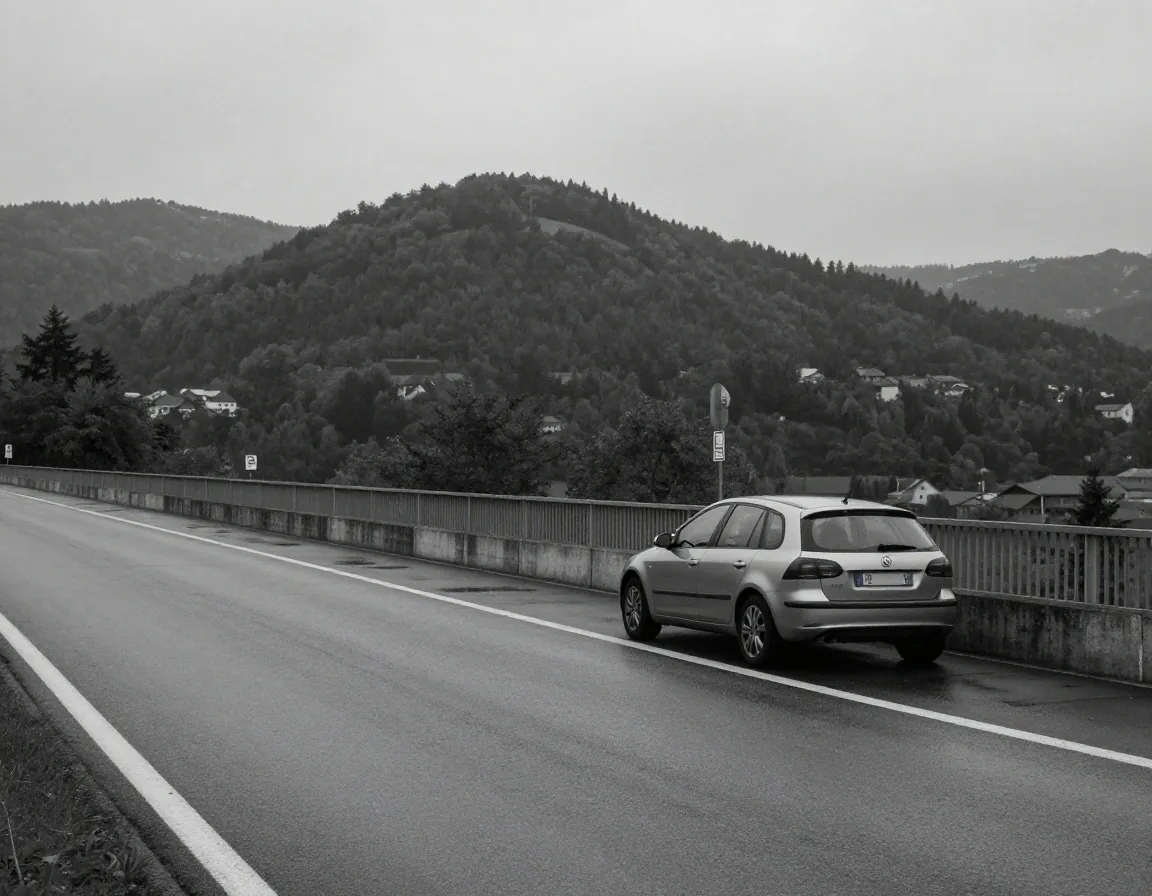
If your route touches a motorway or expressway, the vignette check comes first. Everything else — time, fuel, stops — sits around it.
What a vignette is
A vignette is a permit to use Austrian motorways and expressways with a car. It is required for those roads, and driving without a valid one can lead to checks and penalties.
The obligation sits with the vehicle for the whole journey on covered roads. There are different arrangements for short periods and for longer ones, and the exact products, prices and validity periods are set by the operator. This page does not list them. For planning, the point is simple: any leg that uses a motorway or expressway needs a valid vignette for that full leg. If you are weighing driving in Austria requirements, start here and keep the detail official.
Rule of thumb: motorway or expressway in the route means a vignette is needed. No motorway means the general vignette question usually falls away — but toll sections still need a separate check.
How to read the obligation
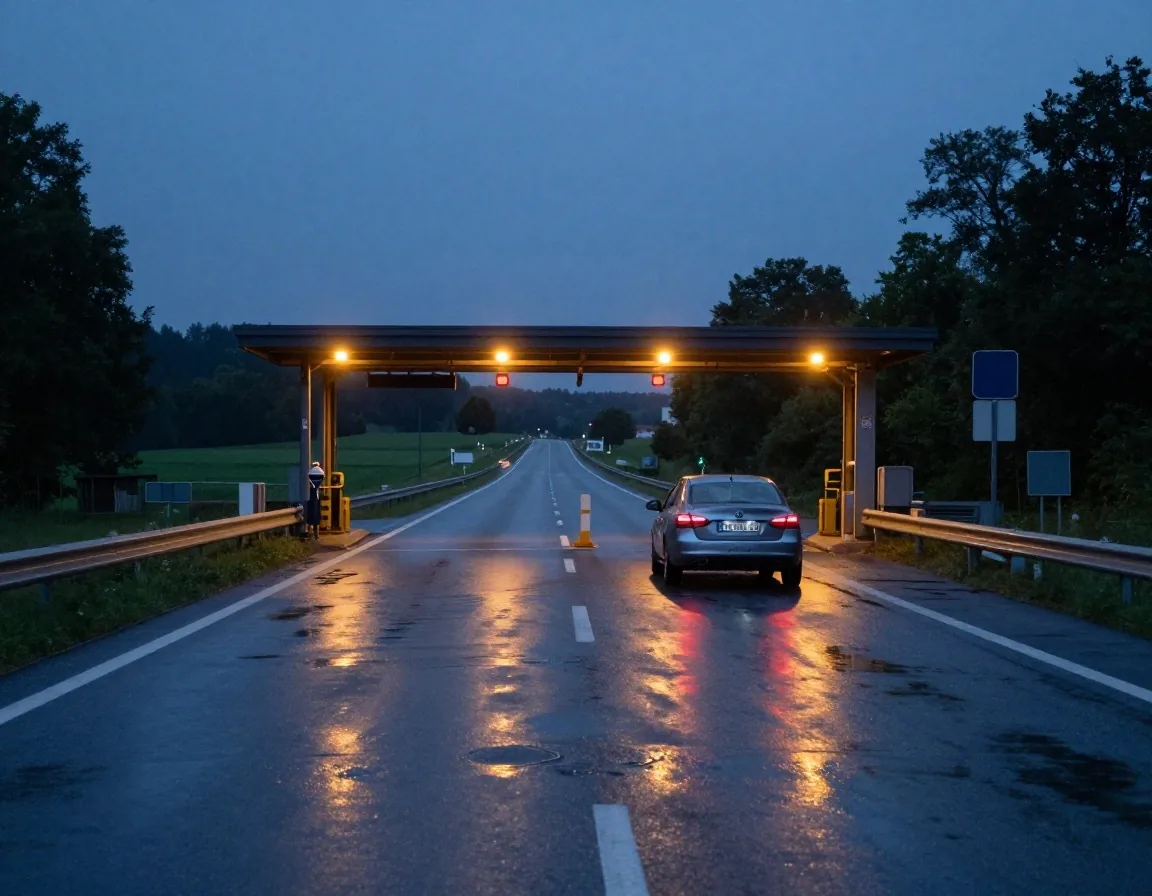
Toll stretches are short and signed, not whole corridors
When a separate toll applies
Some sections carry a toll in addition to, or instead of, the general vignette. These are typically specific stretches rather than whole corridors, and they are signed as such.
For planning, check whether your route includes one of these sections and budget for it separately from the vignette. The list of toll sections and the amounts can change, so treat any figure seen elsewhere as illustrative only and confirm it officially. Your route plan should note toll sections as distinct items, with their own cost line, when you study toll Austria motorway details.
Cars, rentals, ordinary roads
Who the rules apply to
The vignette and toll obligations apply to cars on the covered roads. Separate arrangements exist for vehicles over a certain weight, for motorcycles and for other categories, and those sit outside this page.
If you are driving a car, the general obligation applies on motorways and expressways. If you are hiring a car in Austria, confirm with the rental company how the vignette is handled. It remains the driver’s duty to make sure a valid one is present, and this handover is a common source of confusion for visitors. Ask at the counter, keep the answer with the rental papers, and check the dates match your trip.
- Car on motorway or expressway: general obligation applies.
- Rental car: confirm vignette handling in writing before leaving the lot.
- Other vehicle types: check their own system — this guide covers cars only.
Ordinary roads and the vignette
Ordinary federal and regional roads are generally not covered by the vignette requirement the way motorways and expressways are. That is why some drivers pick an ordinary road for a short leg rather than joining a motorway.
The trade is speed and simplicity for a quieter, often slower drive. The planning habit stays the same: if you are not on a motorway or expressway, the general vignette obligation usually does not apply, but a toll section can still sit on a specific road. Check the route line by line. Do not assume a road is free only because it is not a motorway.
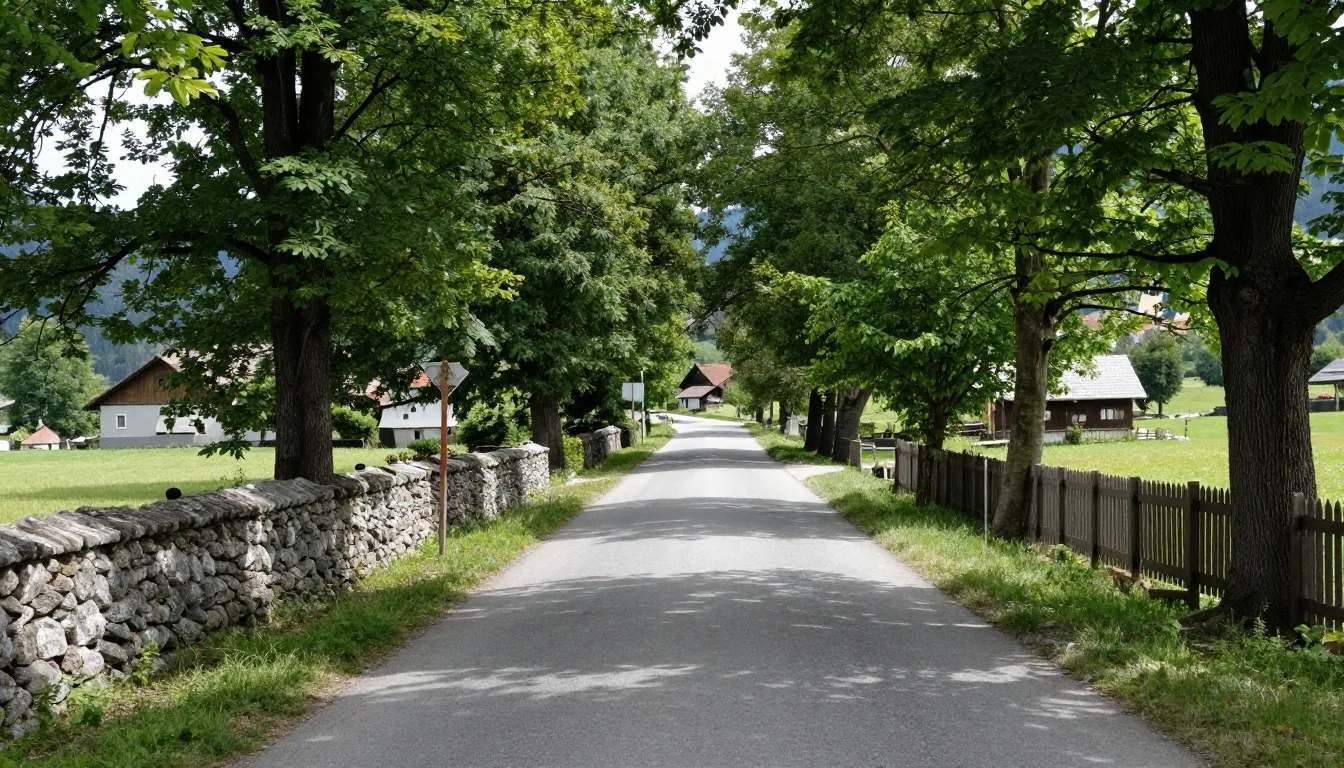
Ordinary road · useful for short legs, slower by design
Vignette Austria checks belong in the route, not at the border
Vigernette is an independent planning resource. We do not sell permits and we do not quote live prices. Use our corridor and checklist pages to mark covered roads, then confirm the current rules officially before you set off.
Where to confirm current prices and rules
Prices and product details change, so the right source is the operator and official Austrian information, not a static planning page. Before a journey that uses a motorway, check the current position, above all when buying for a specific period.
For a rental car, confirm how the company handles the permit. For a cross-border trip, note that the country you enter may run its own vignette or toll system, separate from Austria’s. Plan the vignette check as part of the route from the start, not as an afterthought at the border queue.
Digital and physical options, in outline
Vignettes come in more than one form, and how each is obtained and validated is set by the operator. This page does not sell or issue them and does not favour one channel.
What matters for planning is to hold a valid vignette before using a covered road, and to understand that validation rules can differ between forms. Confirm those rules officially. Drivers who leave it to the last lay-by sometimes learn that the options at a border crossing are not the ones they expected, so build in an evening to sort it calmly.

Paper plan first · official confirmation second
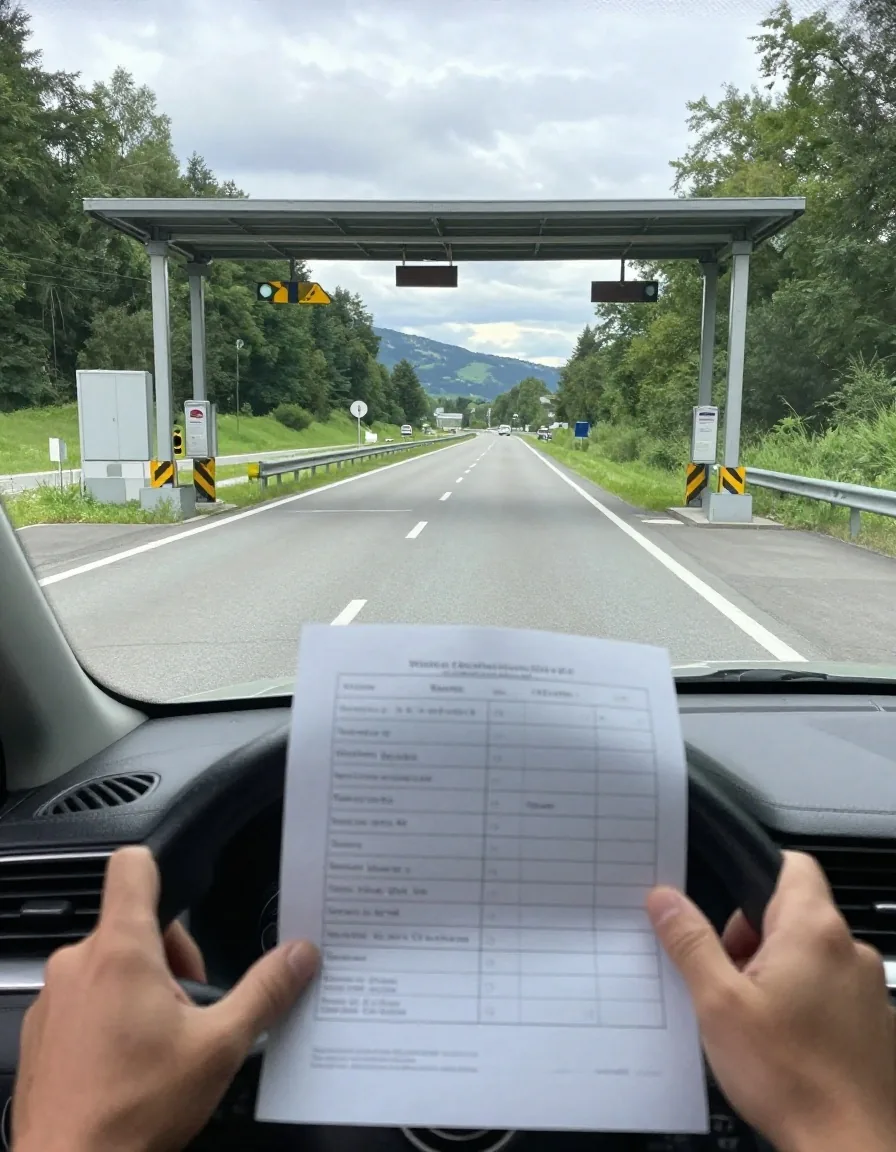
Toll sections and how to spot them
Toll sections are signed and stand apart from the general vignette. On the map they usually show as specific stretches rather than whole corridors.
When you plan, mark any toll section so it is a known cost rather than a surprise at the barrier. Some sit on mountain routes, some on specific motorway stretches. The alpine passes page covers the mountain cases and the motorway corridors page covers the long-distance ones — both point back to official confirmation for amounts. Watch for the signs early, keep change or card ready where needed, and keep the vignette valid regardless, because one does not replace the other.
Vignette and cross-border journeys
If your Austrian drive continues into a neighbour, each country runs its own system. A vignette bought for Austria does not cover Germany, Slovenia, Switzerland or others, and the reverse holds too.
Some neighbours use their own vignette, some use tolls, some use neither for cars. Treat each country as a separate check when you draw a cross-border route. The border crossings page explains that preparation leg by leg. Do not carry an assumption about one country’s rules into the next — border signs and lane markings change quickly, and so do the duties.
What this page is not
This page is not an official statement, not a price list, and not a place to obtain a vignette.
It does not represent any toll operator or authority and does not promise that a route is covered or exempt. It is an independent explanation of the structure, written to help drivers ask the right questions and check the right sources. Where a fact is time-sensitive, the page says so and points to official confirmation. Treat everything here as orientation, and official information as the authority for your journey.
Vigernette, Mariahilfer Straße 88, 1070 Wien, Österreich, keeps this guide current in structure while operators keep the figures current in fact.
Turning the rules into a route plan
Fold the vignette and toll checks into the route plan itself. Identify covered roads, mark toll sections, confirm prices officially, and note border legs where a different system applies.
List every motorway and expressway leg
Open your draft route and highlight each stretch that uses those road types. If even one short slip counts, the vignette requirement counts too.
Mark toll sections as separate lines
Add each signed toll stretch as its own item with a placeholder cost to confirm. That keeps vignette and toll money apart and stops one estimate hiding the other.
Confirm officially, then fix time and cost
Check current products and amounts on official channels, note rental-car handling, and only then finalise the estimate. The route planner basics page shows how to build driving legs, stops and fuel around those checks.
Continue reading
Keep the vignette layer with the map
Corridors, passes and borders each add one line to the same plan. Move through them in order and finish with the checklist.
Vignette context is one layer of a good Austrian route — the layer most easily forgotten