
City driving Austria
Driving and navigating Austrian cities by car
Entering an Austrian city by car is where a good route can come undone. Ring roads, parking zones, low-emission areas and one-way systems all shape how a city handles traffic, and each city does it a little differently.
This guide covers the patterns that repeat across Vienna, Graz, Linz, Salzburg and Innsbruck, written for drivers arriving from outside. The aim is to make the city entry a planned part of the journey rather than a slow surprise.
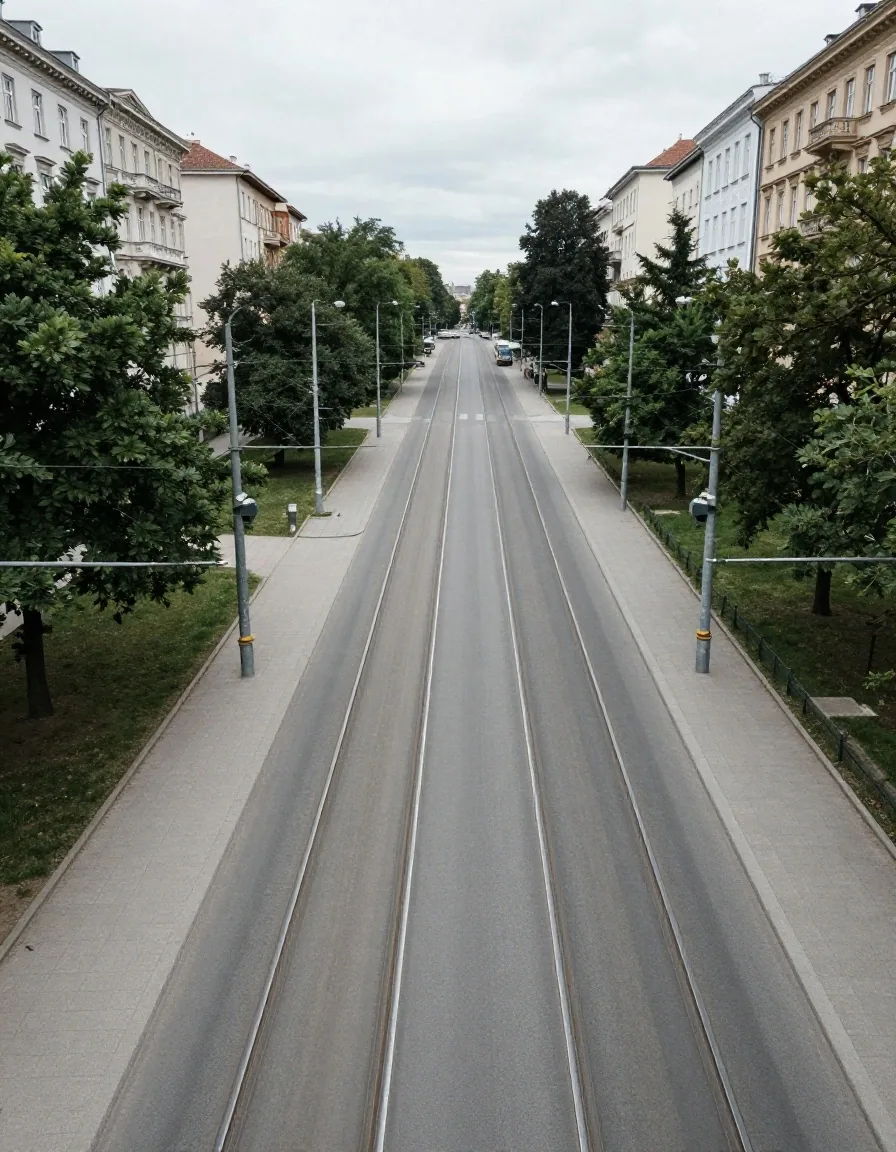
Urban navigation Vienna, ring carriageway
The ring keeps through traffic out of the old centre. Learn it before you arrive and the rest of the entry falls into place.
The ring road idea
Many Austrian cities use a ring or a set of ring-like roads to move traffic around the centre rather than through it. The point of the ring is to keep through traffic out of the historic core and to give arrivals a clear line to parking and districts.
If you understand that the ring exists, you can approach the city on it and leave it at the right point, instead of being pulled into the centre by a navigation app that prefers the shortest line. Learn the ring for the city you are entering before you arrive. It is the single most useful piece of urban orientation.
In Vienna the Ringstrasse circles the first district. In Graz, Linz, Salzburg and Innsbruck the form is looser — inner distributors, river bridges and relief roads — but the logic is the same: stay on the distributor until you are level with your garage, then turn in.
Practical note: set your navigation destination to the garage or the park-and-ride, never to a street inside the old town. The ring does the rest.
Parking zones and how they work
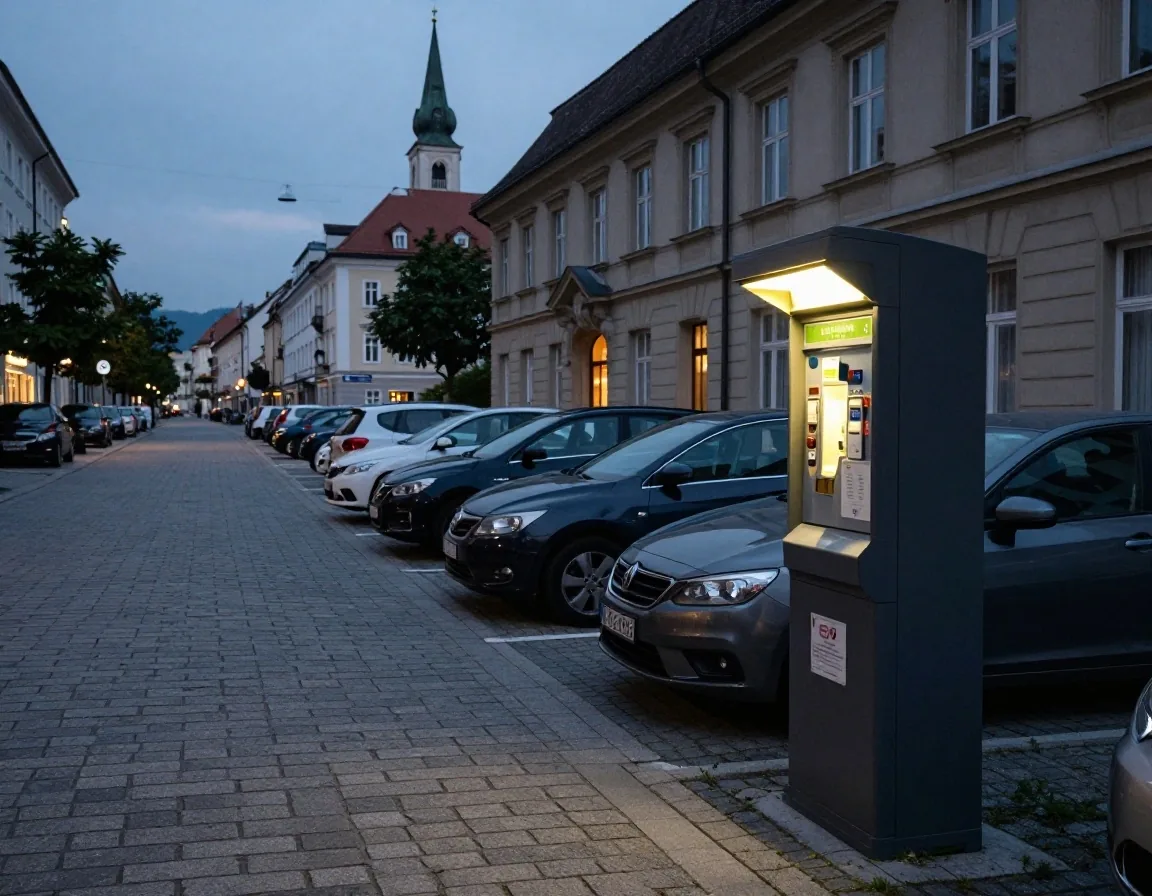
Austrian cities commonly divide central areas into short-term parking zones where you pay for a limited time and display or register a ticket. Outside those zones, parking may be free, restricted to residents, or in a garage.
The details vary by city and by district, and they change, so confirm the current rules for where you plan to park. Decide where you will park before you enter the city and route to that place directly. Circling in search of a space is the slowest and most stressful way to arrive.
Access rules
Low-emission and access rules
Some Austrian cities restrict access for certain vehicles in defined areas, and the rules are set locally. These are not the same everywhere, and they can change.
If you are driving a car, check whether the city you are entering has any access rules that apply to your vehicle before you arrive, especially if the car is older or hired from another country. The point is not to memorise every city's scheme but to know that such rules exist and to check the one that matters for your trip.
How drivers actually check this:
- Look up the city page for the district you will park in, not the city in general.
- Match the rule to your number plate and fuel type — hired cars from abroad are often the edge case.
- Confirm the detail officially, because it is time-sensitive and signs on entry always win.
One-way systems and the historic core
Older Austrian city centres are full of one-way streets, pedestrian zones and turns that a map does not obviously reveal. This is where drivers get frustrated: the destination is close, but the legal route to it loops around.
The fix is to route to a parking garage or a point on the edge of the restricted area, then continue on foot. Trying to drive to an address inside a pedestrianised core is usually impossible and always slow. Treat the historic centre as a place you arrive at, not a place you drive through.
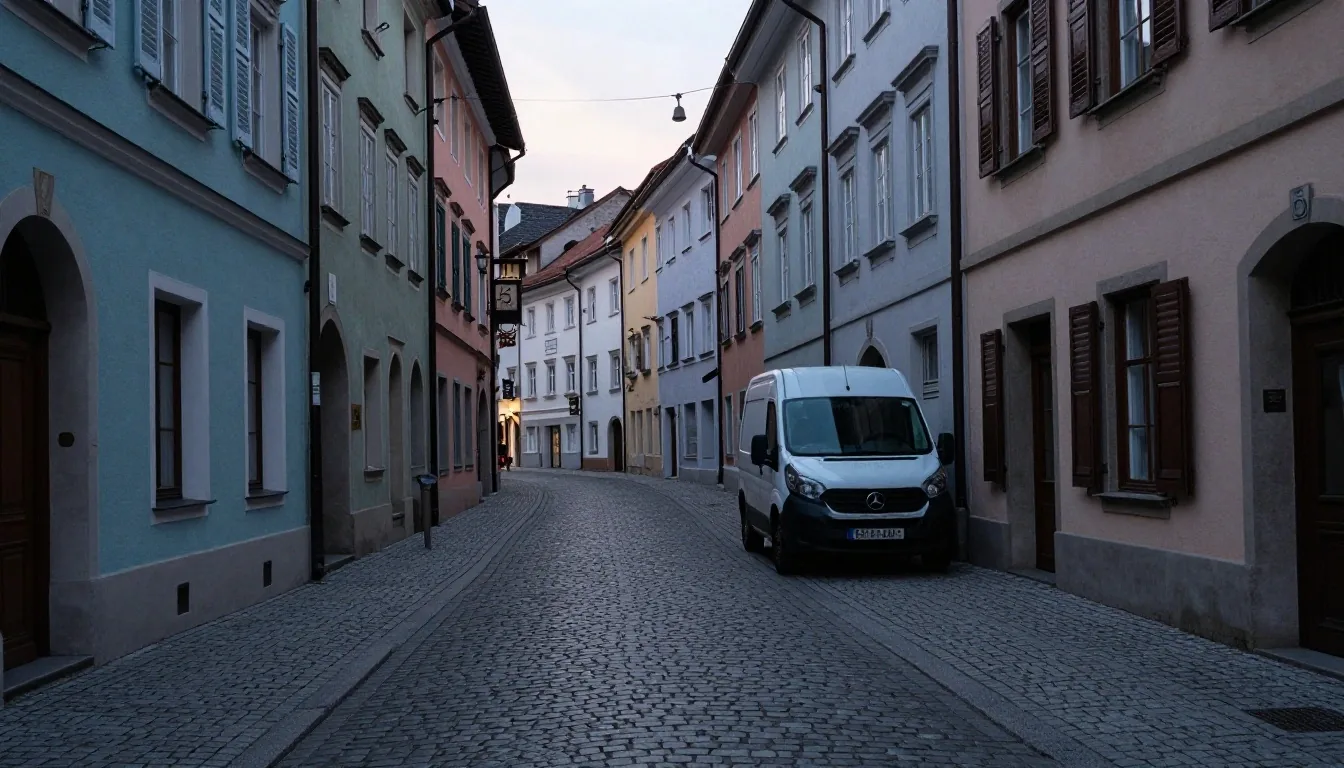
Historic lane, Salzburg — route to the edge, walk the last metres
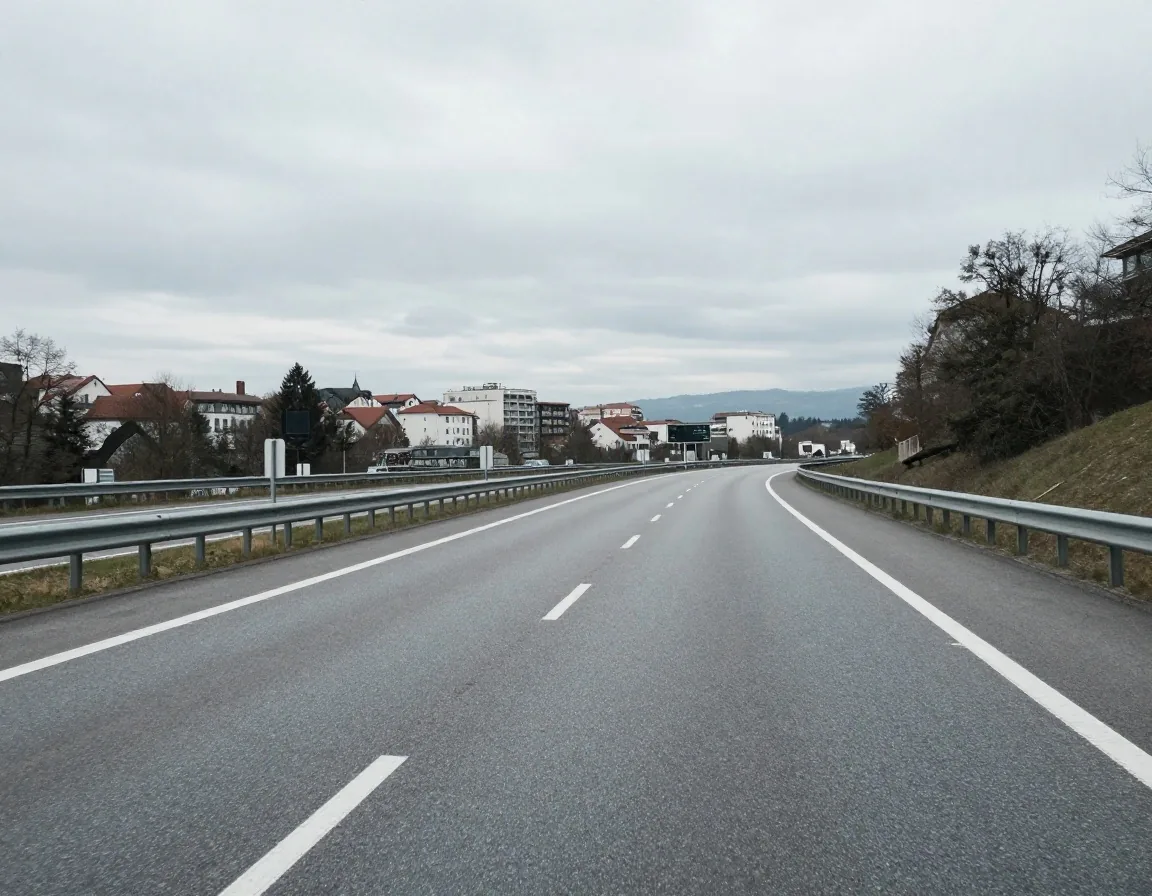
Motorway approach — pick the exit that serves your parking
Approaching on the motorway and leaving at the right exit
Cities sit at the end of motorway corridors, and the approach is often the busiest part of the drive. Know which motorway exit serves your destination and the ring or district road that continues from it.
Leaving at the wrong exit can mean a long loop back through traffic. If your route planner offers several exits, choose the one that matches where you will park, not the one that is marginally closer to the centre. The approach is a planning decision, and getting it right saves more time than any driving skill.
- Write down two exits: your planned exit and one fallback one junction earlier.
- Match the exit to the garage district — north-bank parking wants a north exit.
- Keep the road for car logic simple: fewer lane changes across the city entry means fewer missed turns.
Public transport and park-and-ride as a real option
For many city visits, the smartest car decision is not to take the car into the centre at all. Park-and-ride sites on the edge of Austrian cities let you leave the car and continue by tram, bus or train, avoiding parking zones and access rules entirely.
This suits day visits and trips where the destination is central. It is not the right choice if you need the car for the rest of your journey in the city, but for a museum or a meeting in the core, it often wins. Plan it as deliberately as you would plan a parking garage — check the site location, the onward line, and the last return.
Use park-and-ride
Central meeting, museum day, old-town evening
Leave the car at the edge, ride the tram straight to the core.
Drive all the way
Loaded car, outer districts, onward journey
Keep the car when you need it after the city stop.
Cities where driving is easier
Not every Austrian city is difficult by car. Smaller cities and those with generous ring roads and parking are straightforward, and driving in can be the sensible option.
Graz, Linz and Salzburg each have their own character, and some are easier to enter than Vienna. The pattern is that the larger and older the centre, the more the car becomes a liability near it. Match your plan to the city rather than applying one rule to all. Where driving is easy, use it; where it is not, plan around it.
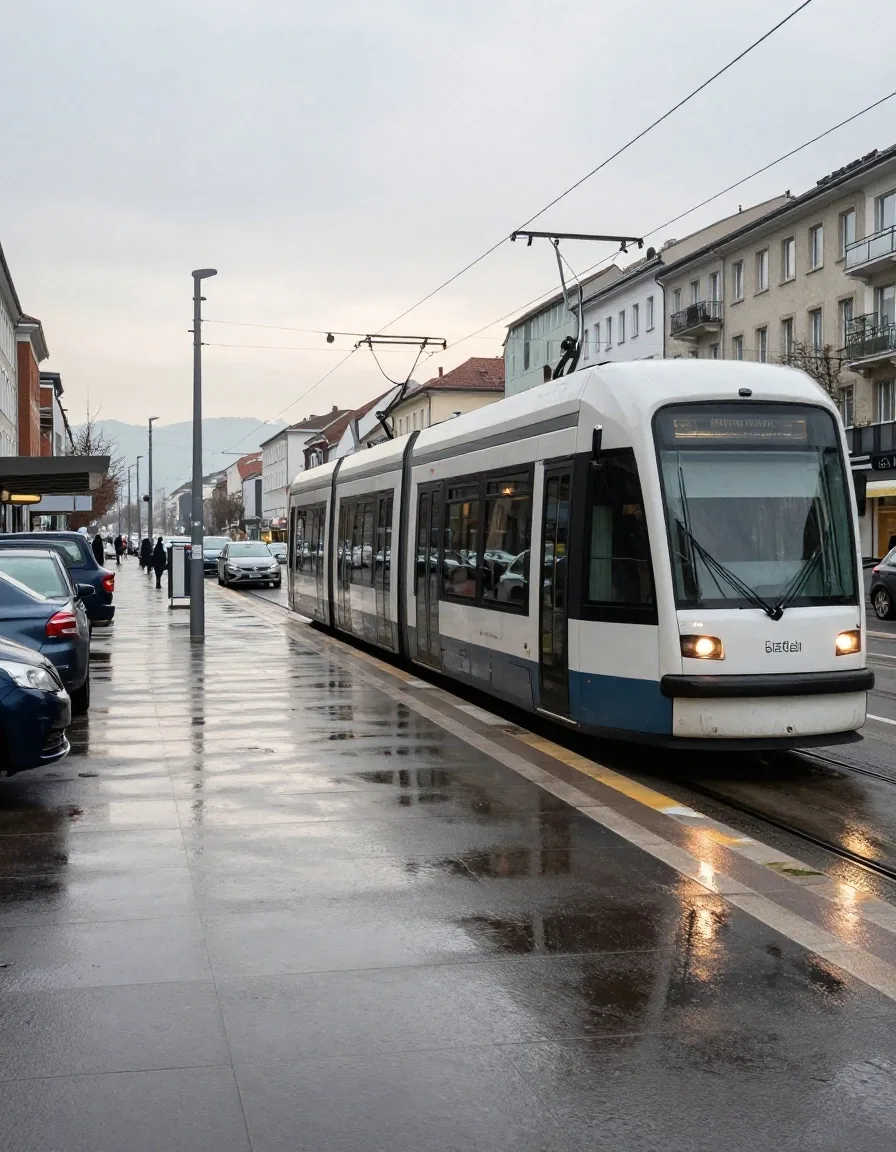
Edge of the city — tram onward
Map navigation tip: pin the garage or the park-and-ride as a saved stop before you leave home. Searching for it at 50 km/h on the ring is how entries go wrong.
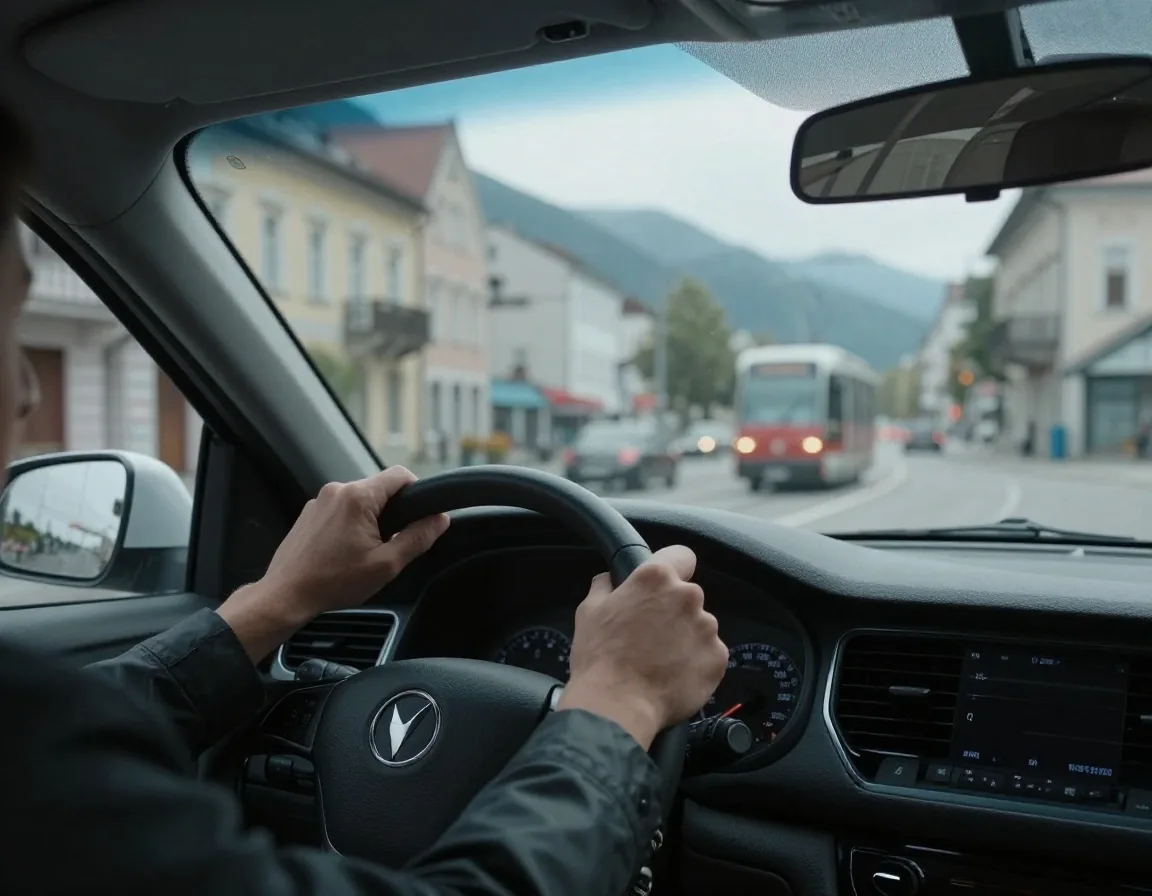
City pace — signs first, screen second
Navigating without adding to the stress
A navigation app is useful, but entering a city is exactly when it can mislead you, because it may route through restricted areas or take you to an unreachable point. Use it with a destination that makes sense, such as a garage, and keep an eye on signs rather than following blindly.
In city conditions, signs and road markings are more current than a map. If the app and the signs disagree, the signs win. Keeping that habit removes most of the friction from an urban arrival.
Timing your arrival
City traffic has rhythms. Morning and late-afternoon peaks fill the approaches and the ring, and weekend evenings can be busy around entertainment districts. If you can arrive outside the peaks, the city entry becomes much calmer.
If you cannot, build the expected congestion into your time estimate rather than hoping to slip through. The route planner basics page explains how to make that estimate honest. Timing is a planning variable in the city as much as on the motorway, and it is often the easiest one to change.
Should I drive into the centre or use a garage on the ring?
Use a garage on or just inside the ring for almost every first visit. You avoid one-way loops, pedestrian zones and short-term limits, and the walk or tram ride into the core is usually shorter than the drive you skipped.
How do I handle parking zones for city driving in Austria?
Decide the exact bay or garage before you set off, check the time limit and payment method for that district, and route directly to it. If the rules are unclear, a garage or park-and-ride removes the guesswork.
What if my navigation and the street signs disagree?
Follow the signs. Temporary closures, access limits and one-way changes appear on the street before they appear in the app, especially around historic cores.
When is the calmest time to enter Vienna or Salzburg?
Mid-morning and early afternoon on weekdays are usually calmer than the morning and late-afternoon peaks. If you must arrive at peak time, add a realistic buffer and keep your parking decision fixed.
Where city driving fits in the wider trip
Urban navigation is the last mile of a longer journey, and it helps to plan it as its own leg. Once you decide where you will park and how you will approach, the rest of the route settles into place.
Check the city access rules, choose the ring or the park-and-ride, and set a realistic arrival time. The border crossings and route comparison pages cover the other legs. Cities are not harder to drive than motorways; they just need a plan that ends at a specific place, not at a vague centre.
Vigernette is an independent Austrian road guide. For time-sensitive access rules and parking tariffs, confirm the current city page before you travel.
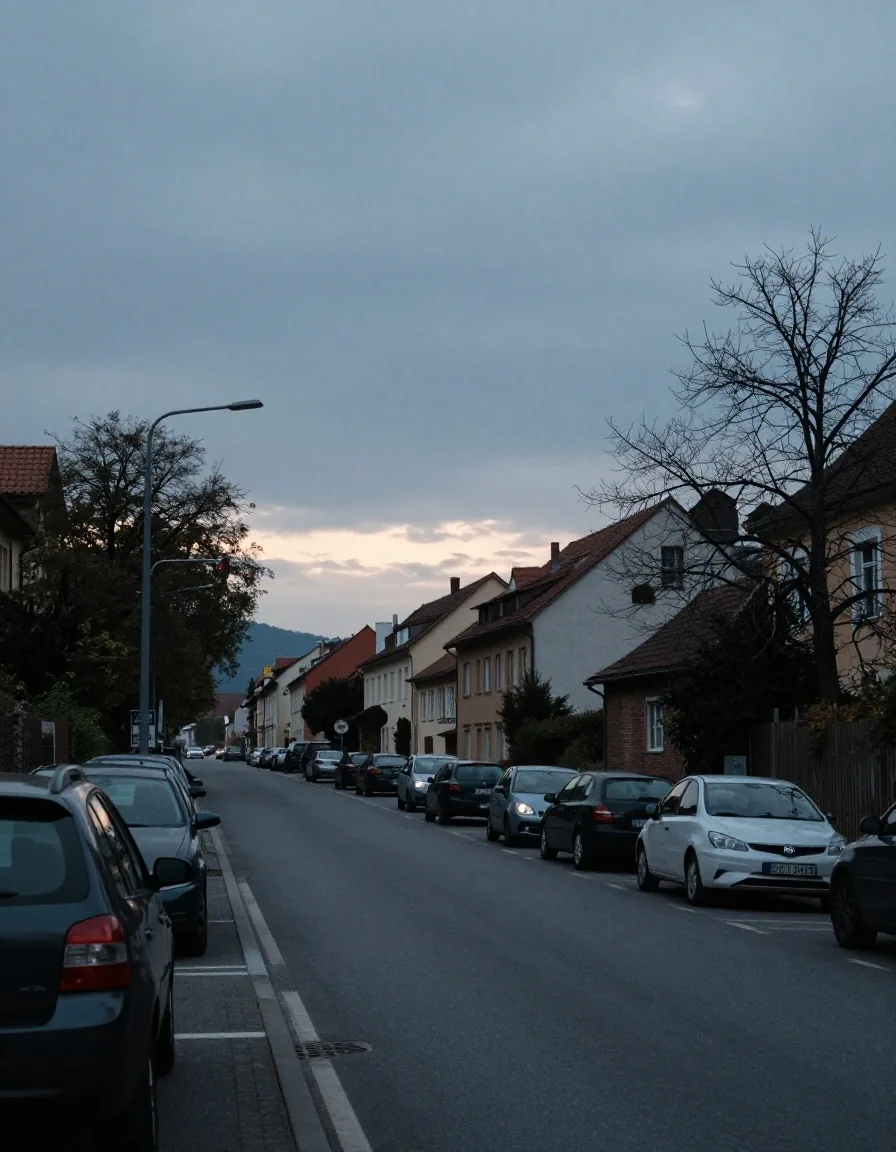
Graz at dusk — the last mile, planned
End your route at a garage, not at a vague centre
Pick the ring exit, the parking place and the arrival time before you leave. If you want a second pair of eyes on a city entry, write to us and we will talk it through.
Mariahilfer Strasse 88, 1070 Wien · Mon–Fri 9:00–18:00