
Border crossings and cross-border routes
Planning cross-border drives from Austria
Austria shares borders with eight countries, and a cross-border car journey adds a layer of preparation to an ordinary route. This guide treats the border as a checkpoint on your route rather than a surprise.
Which crossing suits your direction, what applies on the other side, and what to have ready are all part of the plan. We focus on preparation, not on wait times, which change hour to hour and cannot be planned from a page.
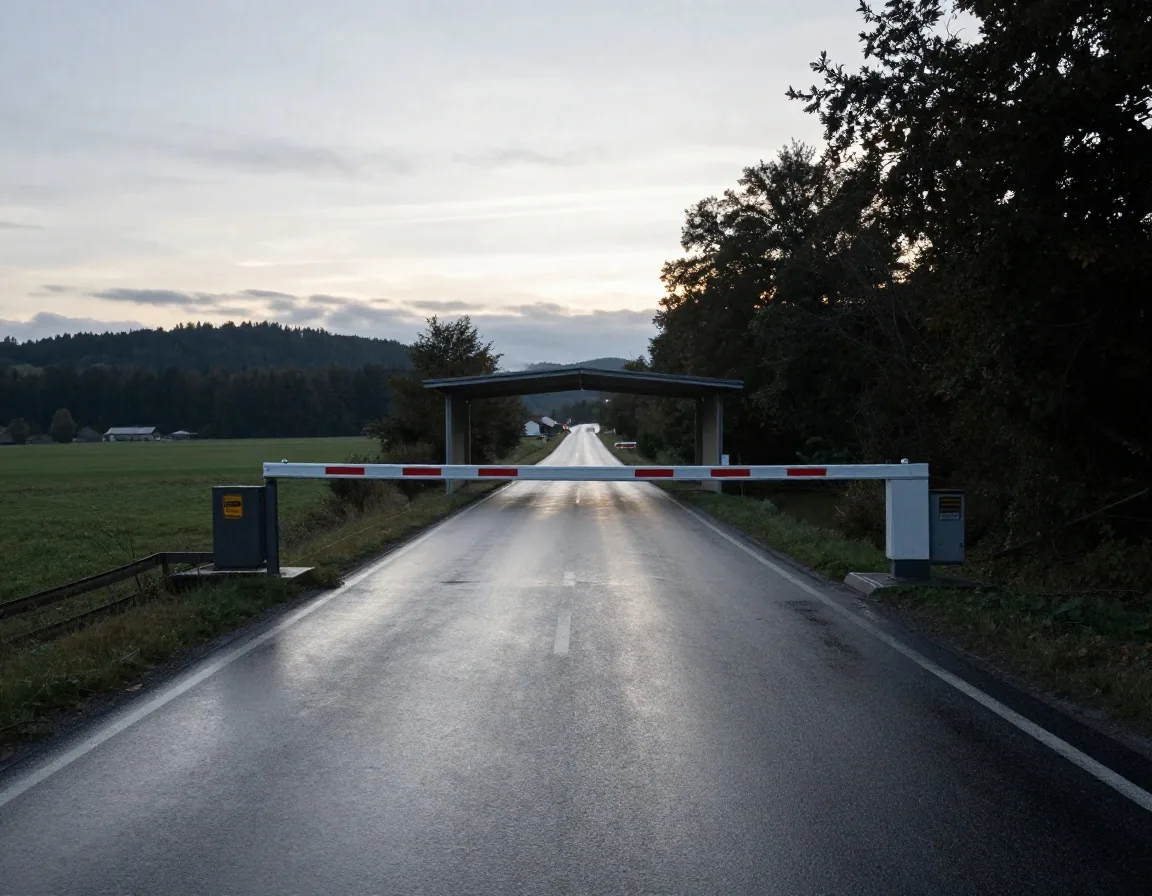
Plate 01 — Border corridor table
Eight neighbours
The crossing is chosen by corridor, not by size. The plate holds the neighbours, the road type, and what to check on the other side.
The countries you can reach by car
From Austria you can drive directly into Germany, Czechia, Slovakia, Hungary, Slovenia, Italy, Switzerland and Liechtenstein. Each has its own road rules, its own systems for motorway charges, and its own border infrastructure.
The practical point is simple: a cross-border route has two rule sets, not one. Plan for the country you are entering as well as the one you are leaving. Know which rules apply at each stage of the trip, and where the handover happens on your map navigation.
North
Germany and Czechia
Motorway links
Check entry rules
East
Slovakia and Hungary
Danube corridor
Separate toll check
South
Slovenia and Italy
Alpine crossings
Distance tolls south
West
Switzerland and Liechtenstein
Rhine valley
Own vignette west
Use this ledger with the vignette context page. The ledger tells you where the border sits; official sources confirm the current charge on the day you drive.
Motorway crossings versus smaller crossings
Some borders are crossed on motorways, some on ordinary roads, and the experience differs. A motorway crossing is built for volume and is usually the fastest way through, but it concentrates traffic and can be slow at peaks.
A smaller crossing may be quieter and closer to your route, though the roads on either side are slower. Choose the crossing that fits your corridor rather than defaulting to the biggest one. On a long trip, a quieter crossing can save time even if it is a few kilometres off the direct line.
Use motorway crossings when you stay on the same corridor for a long distance and want steady services.
Use a smaller crossing when your start or destination sits off the motorway and the detour to the main gate costs more than it saves.
At peak holiday weekends, compare the direct line with one parallel crossing before you set out.
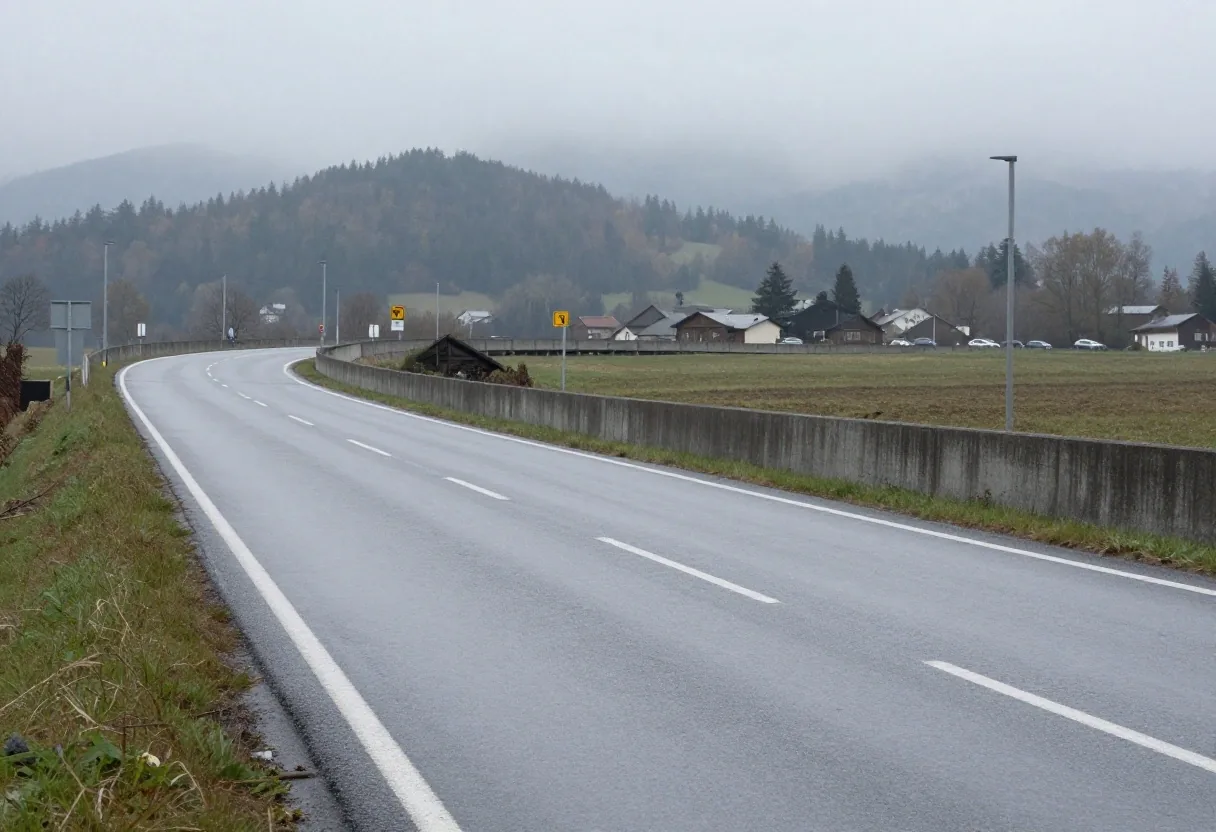
Crossing choice — volume against directness
Fit the gate to the corridor
For a road for car plan, draw the whole line first in your map navigation, then place the border gate on it. If the motorway gate pulls you far out of the way, the smaller road crossing often keeps the day calmer, with fewer lane changes and easier stops for fuel and rest.
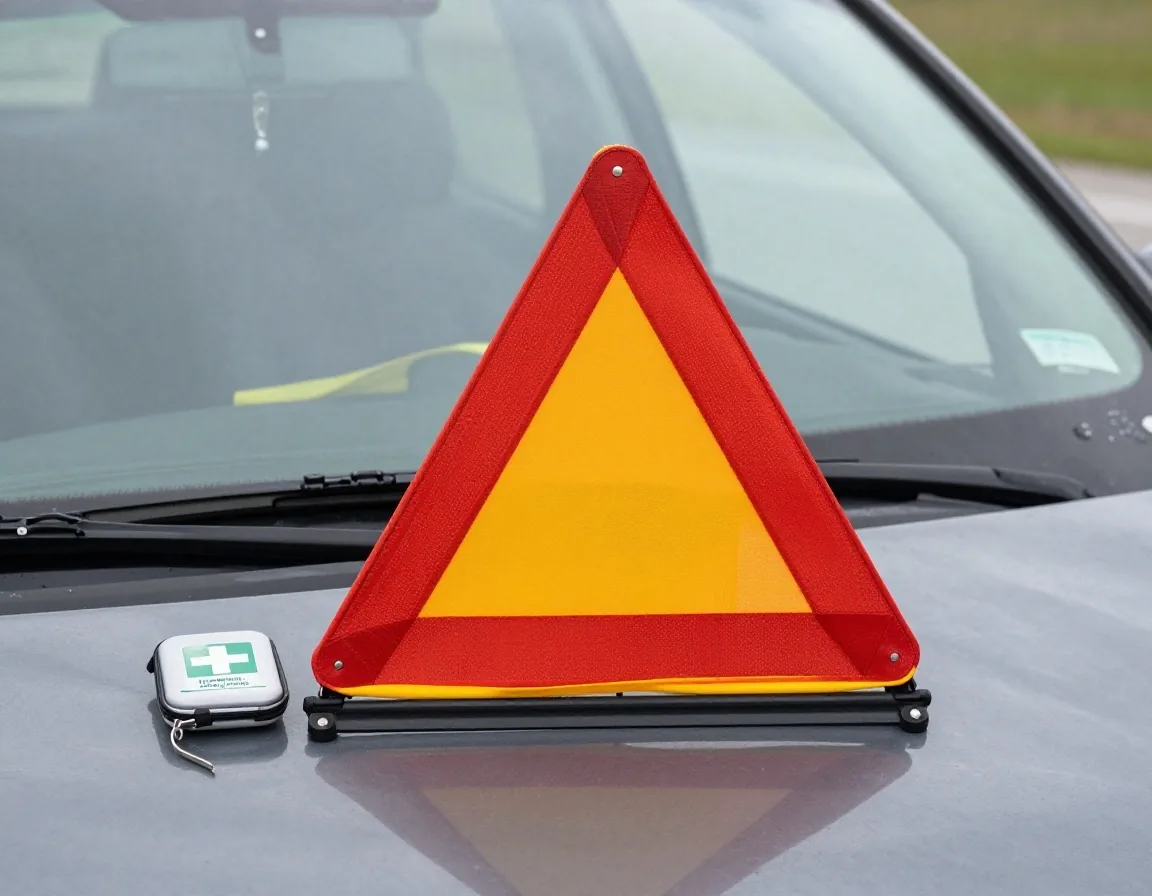
Ready in the cabin, not in the boot
What to prepare before you go
Before a cross-border drive, have your driving documents, vehicle documents and identification ready and accessible, not buried in luggage. Keep them in the cabin where you can reach them at a checkpoint.
Check that your insurance covers the countries you will enter, and confirm whether any of them require additional items such as a warning triangle or reflective vest. Austria expects certain equipment for cars, and neighbours may differ. For the vehicle, check the vignette and toll position on both sides, since a system that applies in one country may not apply in the next.
Cabin check
Licence, ID, vehicle papers and insurance proof together in one folder.
Triangle, vest and first-aid kit where the driver can reach them.
Vignette and toll position noted separately for each country.
Separate systems
The neighbour's vignette or toll, which is separate
A common planning mistake is to assume that an Austrian vignette covers the whole journey. It does not. Each country runs its own system, and some neighbours require a vignette, some charge tolls, and some do neither for cars.
When you plan a cross-border route, check the position for each country you will drive through, separately. Treat the cross-border leg as a fresh check rather than an extension of the Austrian one. The border crossings and vignette context pages point in the right direction, but the current details come from official sources on the day you travel.
Write the checks down by country in your route notes: Austria, then the next country, then the one after. That short list prevents the classic error where a driver sorts the first country carefully and forgets the second.
How to check
List every country where wheels will turn, including short transit legs.
Note for each one whether motorways need a vignette, a distance toll, or neither for cars.
Confirm purchase points before the border, so you do not stop on the hard shoulder.
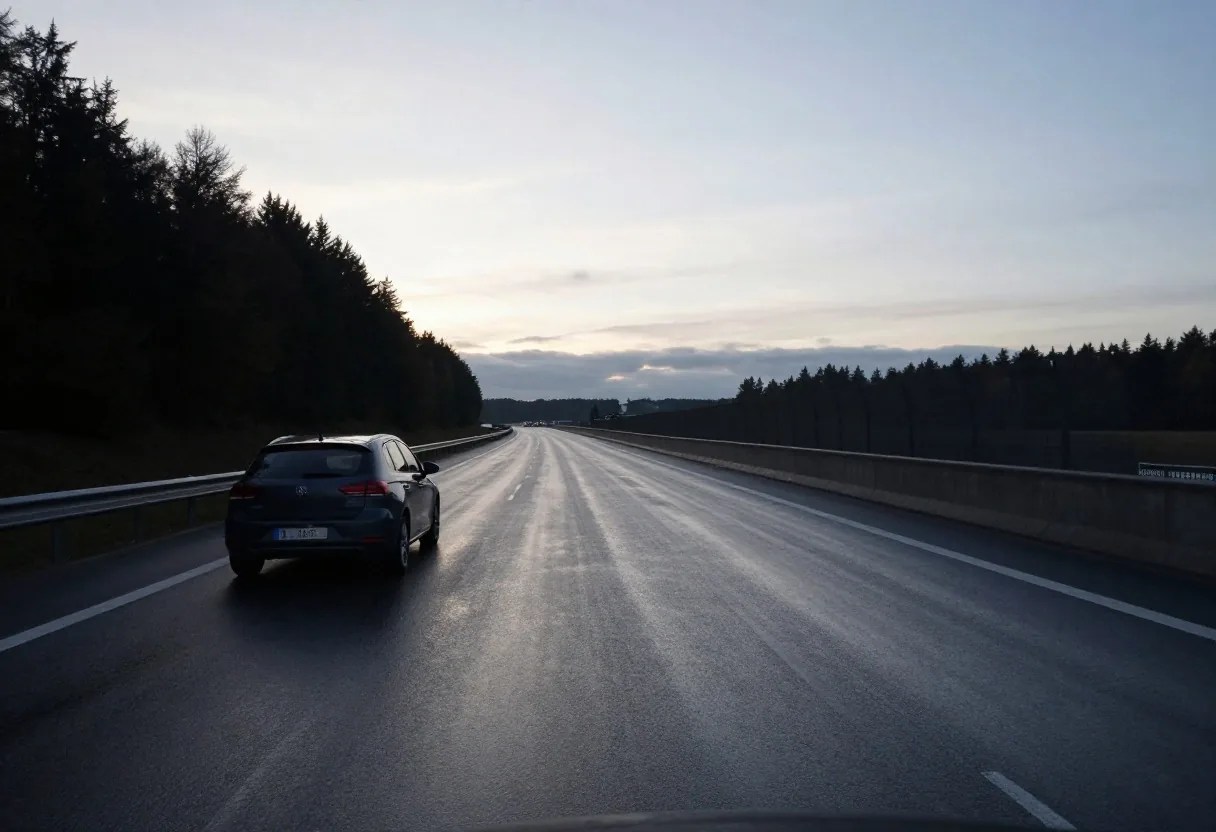
North corridor — continuation, not a turn
Crossing into Germany and the routes that work
Germany is Austria's longest border neighbour, and the crossings range from busy motorway links near Salzburg and Passau to smaller roads. German motorways are generally free for cars, which changes the cost picture on that side, though some rules and environmental zones still apply.
The route from Austria into Germany is often a continuation of the same corridor, so the border is less a change of direction and more a change of rule set. Plan the crossing as part of the corridor and confirm the German requirements for your vehicle, especially if your route passes near cities with access rules.
For cross-border driving north, keep speed rules, overtaking discipline and rest stops in mind: the road may look the same, but the legal frame shifts at the line. Note your crossing by name in your plan so passengers and navigation agree on the same point.
Heading south into Slovenia and Italy
The southern borders, toward Slovenia and Italy, sit at the end of the A2 and the A9 corridors. Crossings here connect to routes toward the Adriatic and northern Italy, and the systems on the other side differ from Austria's.
Slovenia and Italy each have their own arrangements for motorway use, and Italy in particular uses a distance-based toll on many motorways. When you plan south, budget the tolls for the whole route, not just the Austrian part. Check the current position for each country before you set out.
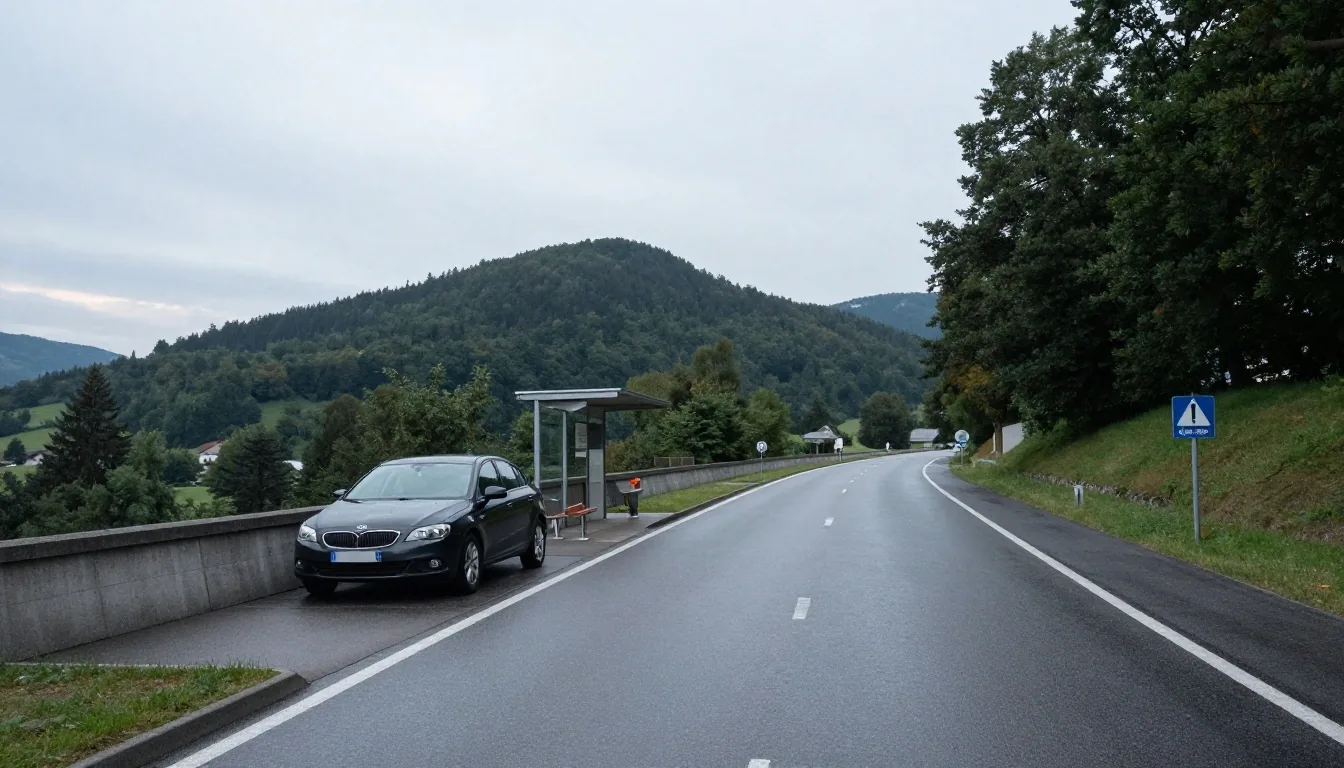
South corridors — tolls run the full length
South planning notes
A2 and A9 feed the southern gates; place fuel stops before the alpine climb.
Budget Italian distance tolls separately from the Austrian leg.
Keep coins, card and documents ready; southern gates reward a tidy cabin.
See the motorway corridorsSouth planning notes
A2 and A9 feed the southern gates. Budget Italian distance tolls separately and keep documents ready.
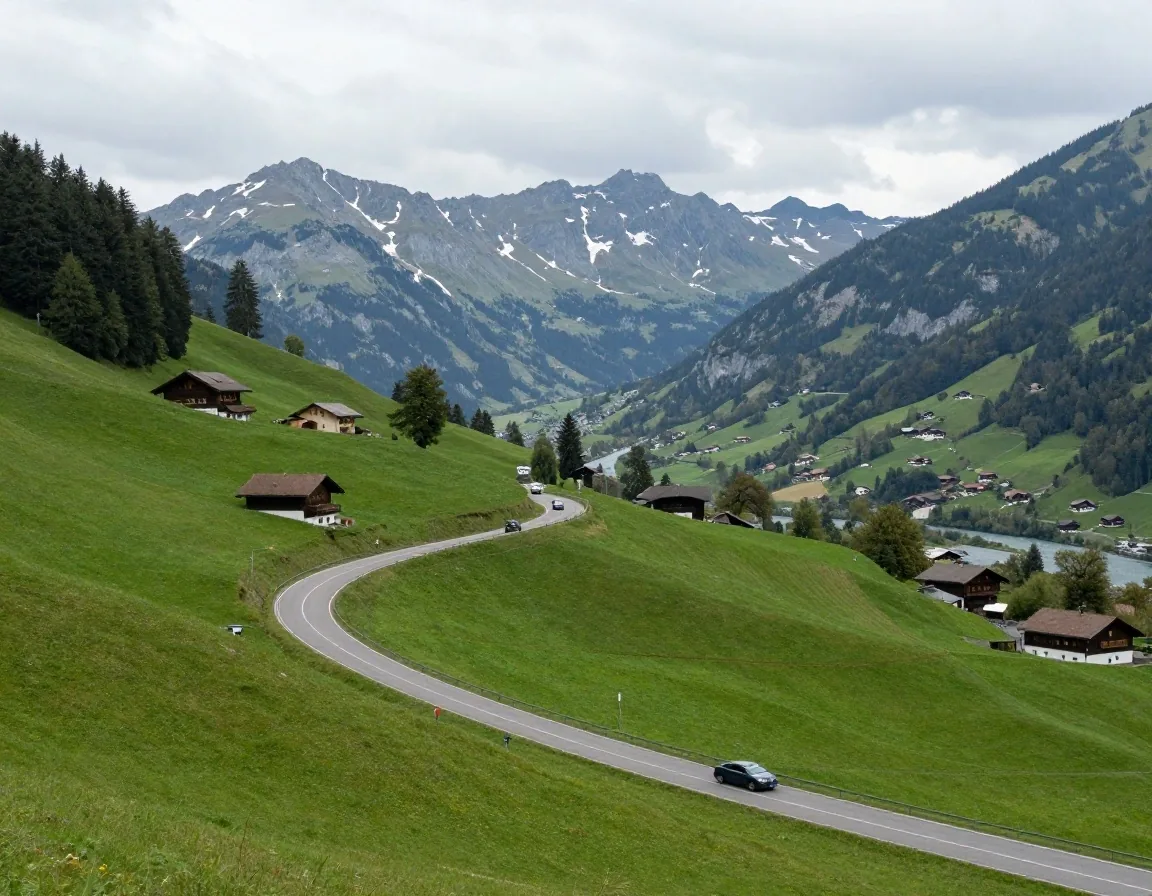
West corridors — valley and pass together
West toward Switzerland and Liechtenstein
The western borders, toward Switzerland and Liechtenstein, are reached via the Vorarlberg corridors. Switzerland requires its own vignette for motorways and has its own rules, and Liechtenstein sits between Austria and Switzerland with its own arrangements.
If your trip continues west, plan the Swiss requirements and the specific crossing you will use. The western network is shaped by the Rhine valley and the alpine passes, so the border and the mountain planning overlap. Check both together rather than as separate tasks.
Vorarlberg
Name your Rhine valley crossing in advance; small gates close the gap between valley road and pass.
Swiss leg
Check the Swiss motorway requirement separately and confirm where to arrange it before the line.
Documents and insurance for the vehicle
Your vehicle needs to be legally usable in every country you enter, and that usually means valid insurance that covers those countries and documents that prove it.
Check your policy before the trip if you are crossing borders, and carry the documents in the car. If you are hiring a vehicle in Austria and taking it abroad, confirm with the company that cross-border use is allowed and how the vignette and tolls are handled. This is a common gap for visitors, and it is better resolved before you leave than at a border.
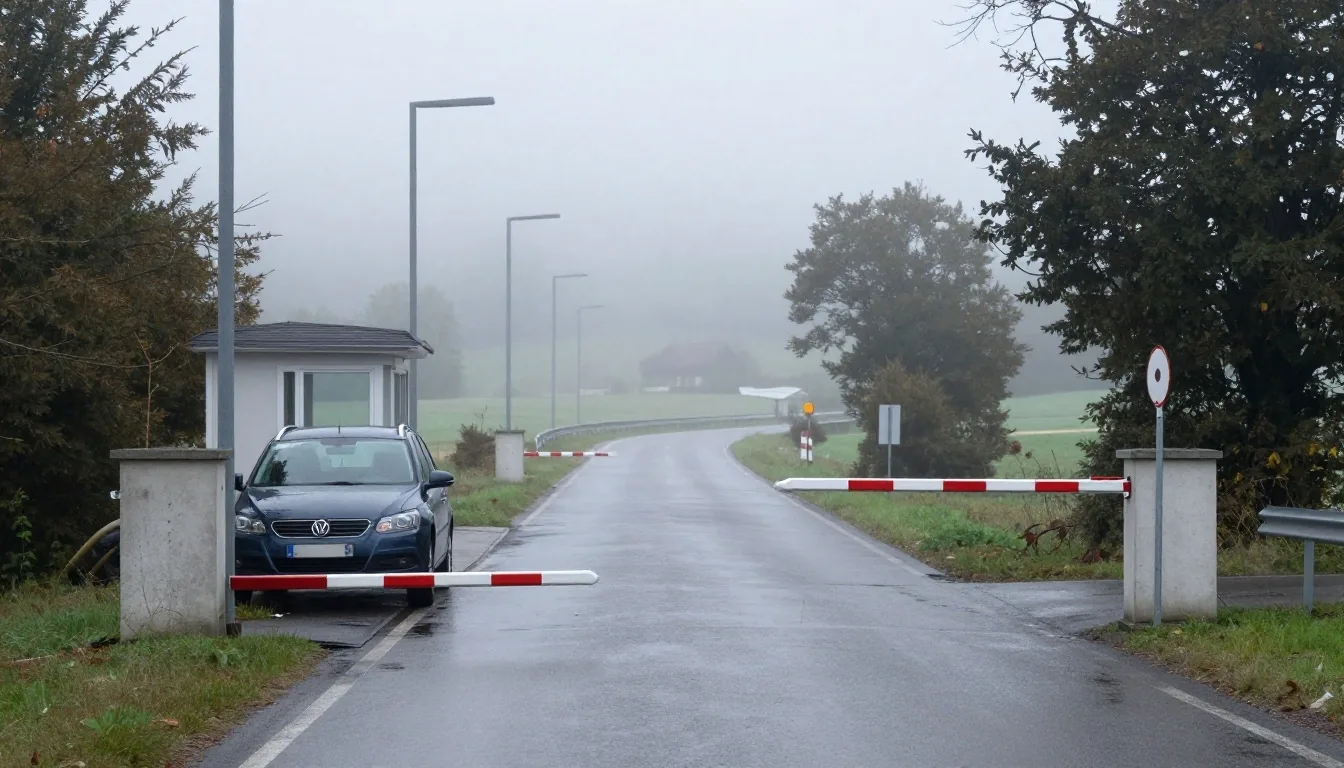
Hire cars — ask before the border
What cannot be planned from a page
Border wait times, current checks and temporary measures change too often to be reliable on a static page, and this site does not pretend otherwise.
What you can plan is the route, the crossing, the documents, the insurance and the vignette or toll context for each country. For live conditions, use official sources on the day. The goal of this page is to make sure the border is a known point on your route, with the right preparation done, so the only variable left is the traffic itself.
Plan what is stable: corridor, crossing name, stops, documents, charges by country.
Check what moves: queues, controls and temporary measures, on the morning you drive.
Vigernette is an independent route-planning resource. We explain the method and the context; live border conditions always come from official channels.
Border questions drivers ask
Short answers for driving to Germany, Italy and beyond, kept to what a page can usefully settle.
Does my Austrian vignette work in the next country?
No. Each country runs its own arrangement. Check the neighbouring country's requirement separately and arrange it before the border, using official sources for the current detail.
Should I use the main motorway gate or a smaller road?
Stay with the corridor. Motorway gates suit long through-routes; smaller crossings suit starts and destinations off the motorway. Compare both lines in your map navigation before you commit.
What papers should sit in the cabin?
Licence, identification, vehicle papers and insurance proof that covers every country you will enter. Add triangle, vest and first-aid items to the same accessible place.
Can I take a hire car across the border?
Often yes, but confirm with the hire company that cross-border use is allowed and how vignette and tolls are handled. Resolve it before you leave, not at the gate.
How do I budget tolls for Italy or Switzerland?
Budget the whole route, not just the Austrian part. Italy uses distance-based tolls on many motorways and Switzerland has its own motorway requirement. Note each leg separately in your plan.
Folding the border into the wider route
A cross-border drive is still a drive, and the same planning method applies: choose the corridor, estimate the time with honest assumptions, plan the stops, and check the constraints. The border adds one more constraint to check, on both sides.
The route planner basics page provides the method, and this page provides the border-specific layer. Put them together and a cross-border journey becomes as predictable as a domestic one, at least as far as anything on the road can be. The border is a step in the plan, not a break in it.
Make the border a known point on your route
Choose the crossing by corridor, check each country's rules separately, and keep documents where you can reach them. Then the only variable left is the traffic itself.
Vigernette · Mariahilfer Straße 88, 1070 Wien