
Plan your Austrian drive before you turn the key
Vigernette is a route-planning resource for people driving cars in Austria. Map-based guidance on corridors, realistic driving time, and toll context — so an Austrian car journey feels predictable.
Independent planning resource · Cars in Austria · English guide
How to use this manual
Dip in by decision. Corridor, time, toll context, passes, cities, borders. Each chapter answers one question and points to official sources where facts change.
What stays stable
Network structure and planning logic. Junctions, closures and prices shift, so we explain the system and you verify the day you travel.
Start point
New to Austrian roads? Read planner basics, then corridors, then vignette context. That order covers most first trips.
Planning method
What you actually plan before an Austrian drive
A route in Austria is rarely one decision. You pick a corridor, decide whether a motorway makes sense for that leg, estimate how long the drive really takes with traffic and stops, and note where you might need a vignette or a toll.
Vigernette breaks those into separate pages so you can plan the part you are unsure about instead of reading everything at once. If you are new to Austrian roads, begin with the planner basics and the motorway corridor overview. If you already know the motorway network, jump straight to alpine passes or border crossings.
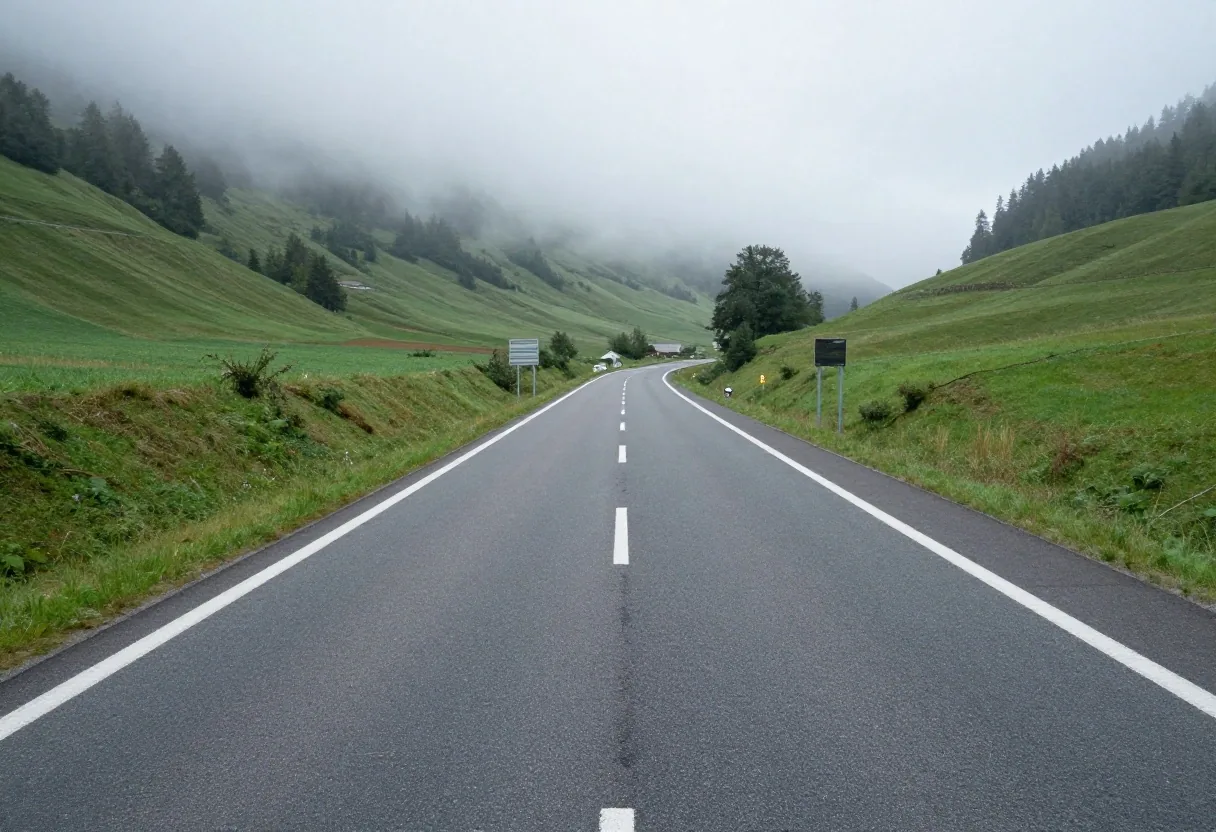
Corridor from above — choose the line before the details
The corridors most drivers end up using
Austria runs east to west and north to south. Three corridors carry a large share of long car journeys. Each has its own rhythm, and the motorway corridors page explains what each one connects.
Junctions, service areas and current restrictions change, so use the corridors page to choose a line, then verify details on the day you travel.
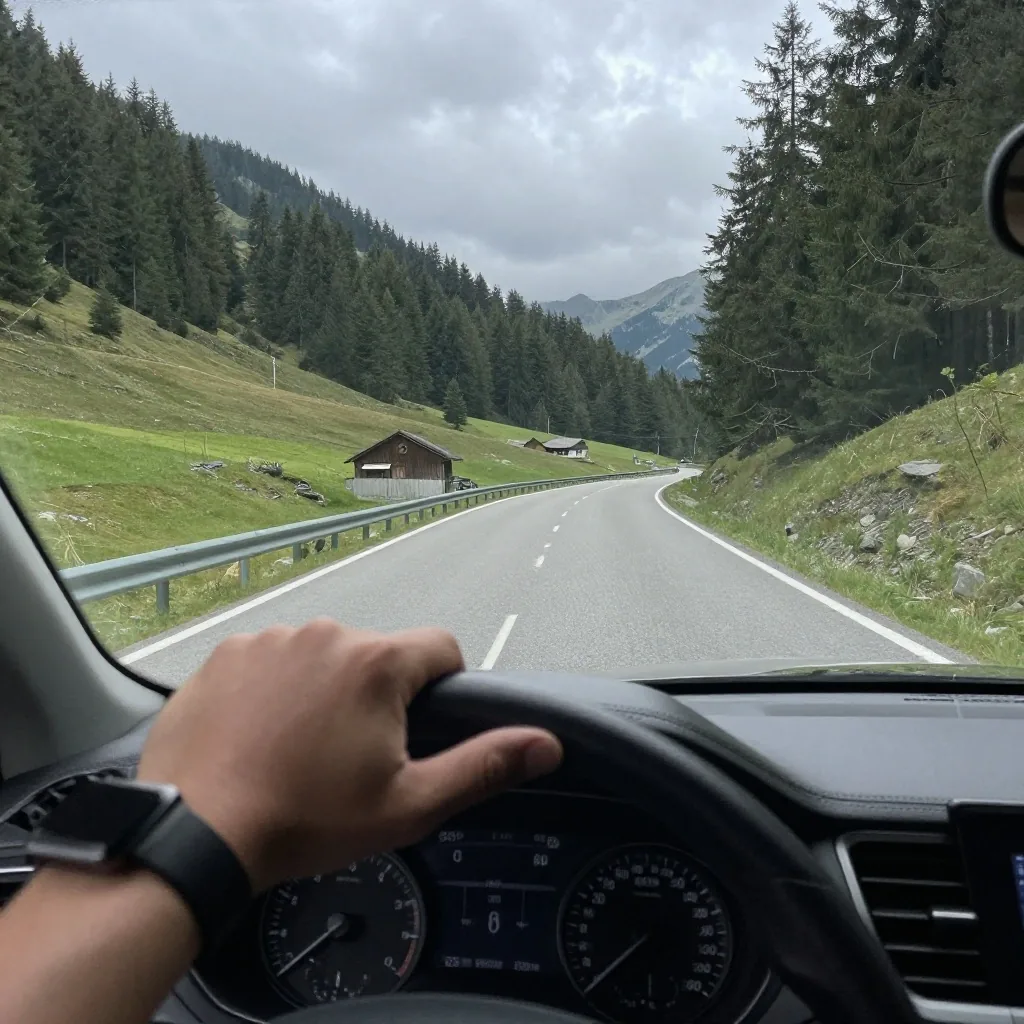
Why driving time in Austria is not the number on the sign
Distance divided by limit rarely matches arrival. Mountain sections, tunnels and peak-hour queues around Vienna or Salzburg add real time.
Vigernette treats time as a range with named assumptions: which corridor, what time of day, whether you stop, and whether the route includes a pass or tunnel. The planner basics page shows how to build that estimate and sanity-check any tool.
Learn the time methodVignette and toll context, without the guesswork
Cars on Austrian motorways and expressways need a valid vignette, and some sections carry an additional toll. Rules and prices are set by the operators and can change.
Vigernette explains the structure rather than republishing numbers that go stale: which roads are covered, when a separate toll applies, and what to check on an official source before you drive. Treat it as orientation, not a substitute for current official information.
The sticker is the system — structure first, numbers from official sources
Motorways and expressways fall under the vignette system for cars — confirm coverage for your exact leg.
Selected tunnels and mountain sections use a separate toll on top — plan them as line items.
Always re-check the current official position before travel; this page gives you the method.
Alpine passes and roads that close for the season
Some of the best driving in Europe — and the most condition-dependent. A short line on the map can be the wrong choice in April.
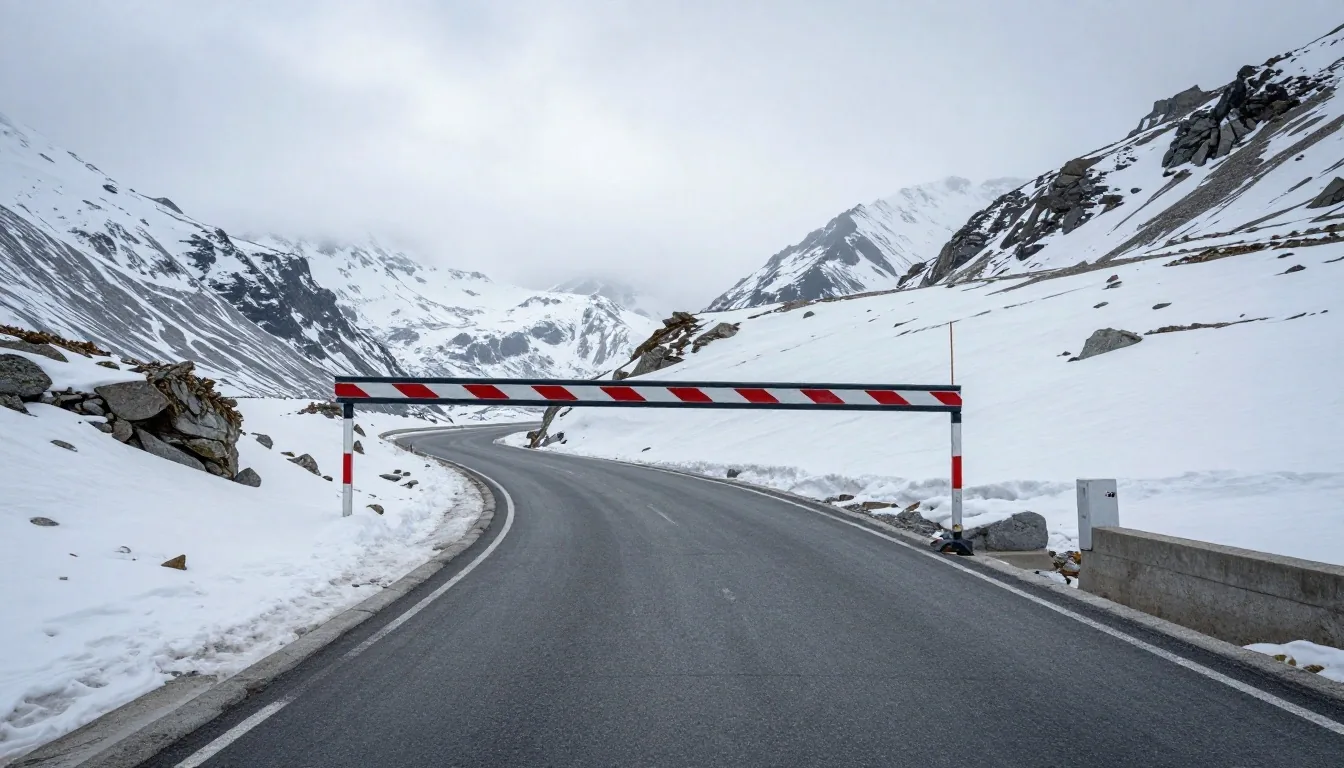
Season sets the route — high passes close in winter and reopen late in spring
How closures work
Winter shutdowns, spring openings and weather holds follow the mountain, not the calendar. The alpine passes page explains the pattern.
Checks before you commit
Look for open status, vehicle limits and any local toll, then keep a lower alternative that stays open year-round.
Outside summer, read first
If your journey crosses the Alps outside summer, settle the mountain leg before you lock the rest of the route.
Open the alpine passes guide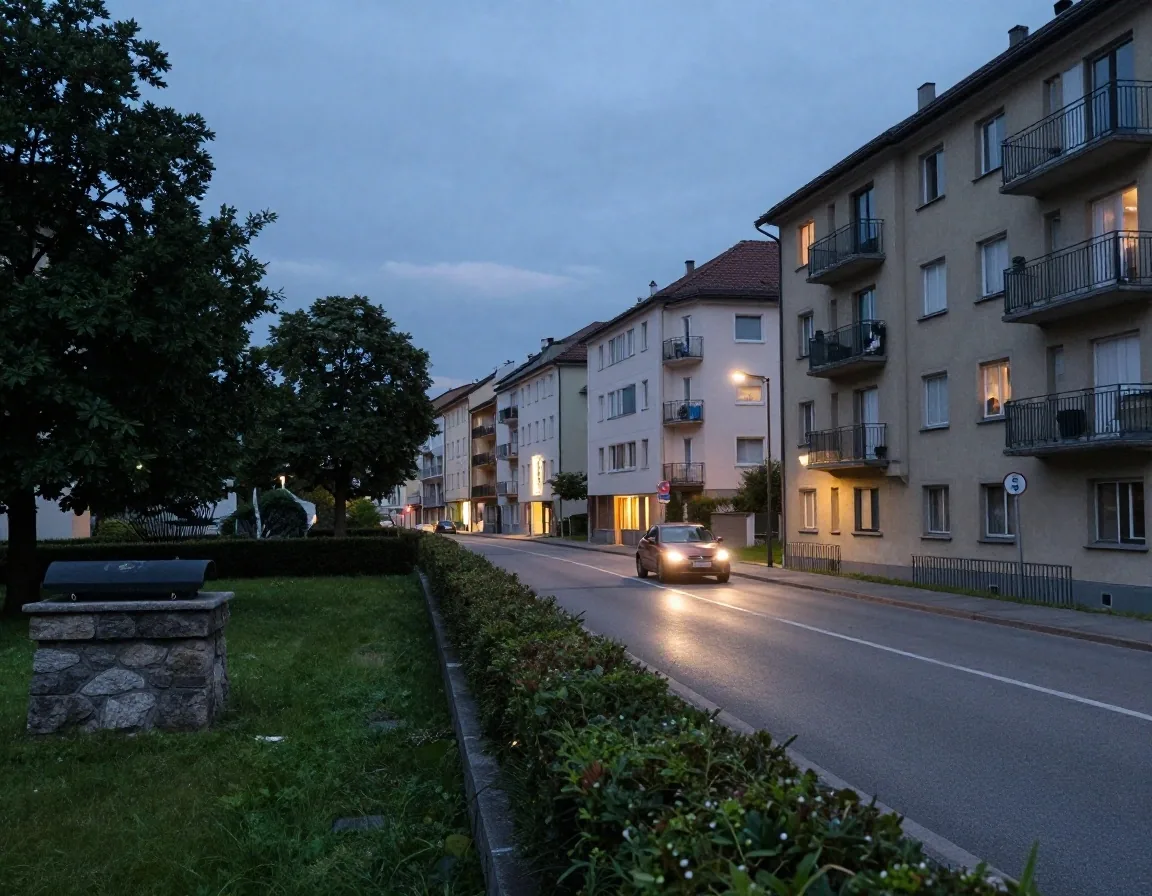
City entry is a pattern — ring, zones, parking, one-ways
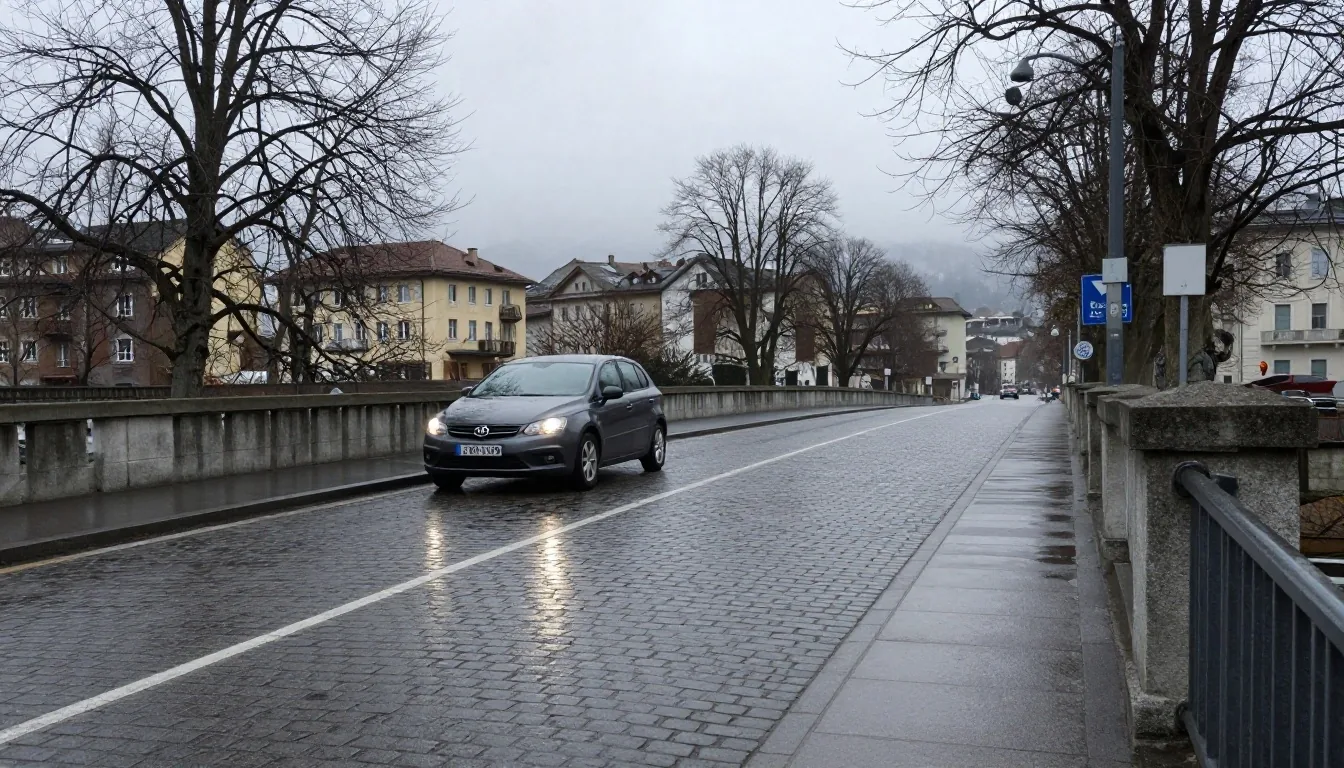
Borders are checkpoints — prepare the leg, not the queue
Getting into and out of cities
Vienna, Graz, Linz, Salzburg and Innsbruck each handle cars differently. Ring roads, short-term parking districts and one-way systems can turn a simple entry into a slow loop.
The city driving page covers the patterns that repeat: how to approach on the ring, where parking zones begin, and why navigation sometimes routes you the long way. Written for drivers arriving from outside.
Read urban navigationCrossing into neighbouring countries
From Austria you can reach Germany, Czechia, Slovakia, Hungary, Slovenia, Italy, Switzerland and Liechtenstein by car. Each crossing has practical points: which ones are motorway-grade, whether a vignette or toll applies on the other side, and what documents to have ready.
Plan a cross-border legScenic or fast: choose deliberately
Some Austrian drives are worth the extra hour and some are not. Our comparison puts scenic routes next to the fastest motorway option — time, distance and what the drive actually feels like — so the choice is yours.
Night-before routine
A checklist you can run the night before
Most broken plans are boring: an expired document, a missing warning triangle, a route that assumed a road was open. Run this the evening before a long drive and most surprises disappear.
- Vehicle
Fuel, tyres, lights and washer fluid checked; route loaded for offline use where signal drops.
- Papers
Licence, registration and insurance within date; vignette validity confirmed for motorway legs.
- Kit
Warning triangle, first-aid kit and high-visibility vests where required; confirm current rules.
- Route
Pass status, tunnel notes and city parking zones reviewed; alternative kept for mountain legs.

Where each type of driver should start
- First Austrian road trip
Planner basics plus motorway corridors for corridor choice and time.
- Winter or shoulder season
Alpine passes first — it matters more than anything else.
- Entering a city
Urban navigation before you arrive, not after the ring.
- Crossing a border
Border crossings plus vignette context for the next country.
How this guidance is kept useful
Austrian roads change: a pass closes, a toll section is added, a city adjusts its parking zones. Vigernette focuses on the parts that stay stable — the structure of the network and the logic of planning — and points you to official sources for anything time-sensitive.
That keeps pages useful for longer and keeps us honest about what we can and cannot tell you. The about page explains who maintains this and how corrections are handled. If you spot something out of date, the contact page is the way to tell us — we are at Mariahilfer Straße 88, 1070 Wien, open Monday to Friday, 9:00 AM to 6:00 PM.
A note on what Vigernette is and is not
Vigernette is an independent planning resource. It is not a government body, not a toll operator, and not affiliated with any official authority.
It does not sell vignettes, process payments, or guarantee that a route is open. What it does is help you think through an Austrian car journey before you commit to it. Where official information is the right source, the pages say so plainly. Where planning judgement helps, the pages give you a method.
Questions drivers ask first
Short answers with a next page for each. For anything time-sensitive, confirm on an official source before you drive.
Do I need a vignette to drive in Austria?
For cars on motorways and expressways, yes. Some sections also carry a separate toll. Rules and prices are set by the operators and can change, so confirm the current position on an official source. The vignette and toll context page explains how the structure works.
Is Vigernette an official Austrian roads service?
No. Vigernette is an independent planning resource and is not connected to any government body or toll operator. It helps you plan a car journey and points you to official sources for time-sensitive facts. More on the about page.
Can Vigernette tell me if a pass is open today?
Not reliably, and no static page can. Conditions change with weather and season. The alpine passes page explains how closures work and which checks to make before you commit to a mountain route.
Where should I start if I have never driven in Austria?
Read route planner basics first, then the motorway corridors overview. Together they cover how to choose a corridor and how to estimate a realistic driving time. Add the vignette context before you drive on a motorway.