
About Vigernette
About Vigernette and how we work
Vigernette is an independent route-planning resource for people driving cars in Austria. It explains which corridor to take, how to estimate a realistic time, and what to check about vignettes, tolls, passes and city access.
General map tools show a blue line. This site explains the decisions behind the line — what stays the same from year to year, what changes quickly, and where to confirm anything time-sensitive before you drive.
What Vigernette is
Vigernette is a planning guide, not a booking service and not an official body. It publishes explanatory pages about Austrian road travel for car drivers, organised by the decision a driver is facing.
It does not sell vignettes, process payments or issue permits, and it is not connected to any government authority or toll operator. Its job is to help you ask the right questions and plan with clear assumptions, then point you to official sources for anything time-sensitive. That boundary is deliberate, and it shapes everything on the site.
Think of each page as a briefing before you open navigation: what the road system looks like, which choices matter most, and which checks belong in your before-you-drive routine. The site stays on the planning side so the advice stays calm and reusable.
A guide that stays on its side of the counter
When a question needs a live answer — a price today, a closure this weekend, a rule that changed this month — the page says so and tells you where to confirm it. That is not a limitation of the format. It is how the site avoids sending you out with yesterday's facts.
Who the site is for
The guidance is written for drivers planning a car journey in or through Austria, including visitors who have never driven here and residents looking for a clearer method. It assumes a car, because the rules and considerations differ by vehicle.
The site is written in English so international drivers can use it next to their own tools. If you are arriving by other means, the road-specific pages will be of limited use, and the site is open about that limit rather than stretching to cover every trip.
Research method
How the guidance is researched
Pages are built from the stable structure of the Austrian road network and from general planning principles, rather than from live data that would go stale within days.
Where a fact is time-sensitive — a price, a closure, a current rule — the pages say so and direct you to confirm it officially. A page that copies today's numbers is wrong tomorrow, while a page that explains how the system works stays useful. The method is to separate what is stable from what is not, and to be clear about which is which.
Stable: corridor layout, what a vignette covers in principle, how mountain passes behave by season, what a city arrival asks of a driver. Changeable: prices, open roads today, waiting times, current restrictions.
Seen from above, the network changes slowly
Why some things are deliberately not stated
Vigernette does not publish a current vignette price, a list of open passes or a border wait time, because those change too quickly to keep accurate on a static page. Publishing them would create a false impression of authority and risk misleading drivers.
Instead, the pages explain how those things work and where to check them. This is not a gap in the content; it is the editorial position. Where the site can help, it helps concretely; where only an official source can answer, it says so.
Editorial standards
The pages aim to be specific, current in structure and free of claims the site cannot support. There are no invented statistics, no certifications, no ratings and no sponsored endorsements.
Where the site expresses a view — for example preferring the motorway for long drives with a deadline — it gives the reasoning so you can disagree with it if your trip is different. Corrections are welcome and are treated as part of keeping the guidance honest. The standard is simple: say what is true, say what is uncertain, and do not dress up either.
What counts as a fact here?
The shape of the network, the kind of check a driver should make, and the way toll and pass systems work in general. Anything dated or priced is labelled as changeable, with guidance on where to verify it on the day.
How are opinions handled?
A preference is always paired with its reason — distance, deadline, season, traffic tolerance — so you can see when a different trip calls for a different choice. No ranking, no score, no endorsement.
What happens when something is wrong?
Use the contact page and describe the road and the situation. A note from a driver who has just used the route is often the fastest way to put a correction in place.
Independence and disclosure
Vigernette is an independent resource and is not affiliated with any official Austrian authority, toll operator or navigation provider.
It does not present itself as a government service and does not imitate one. If the site ever earns revenue through advertising or partnerships, that will be disclosed near the relevant content rather than buried in a footer. You should always know what you are reading and why it exists.
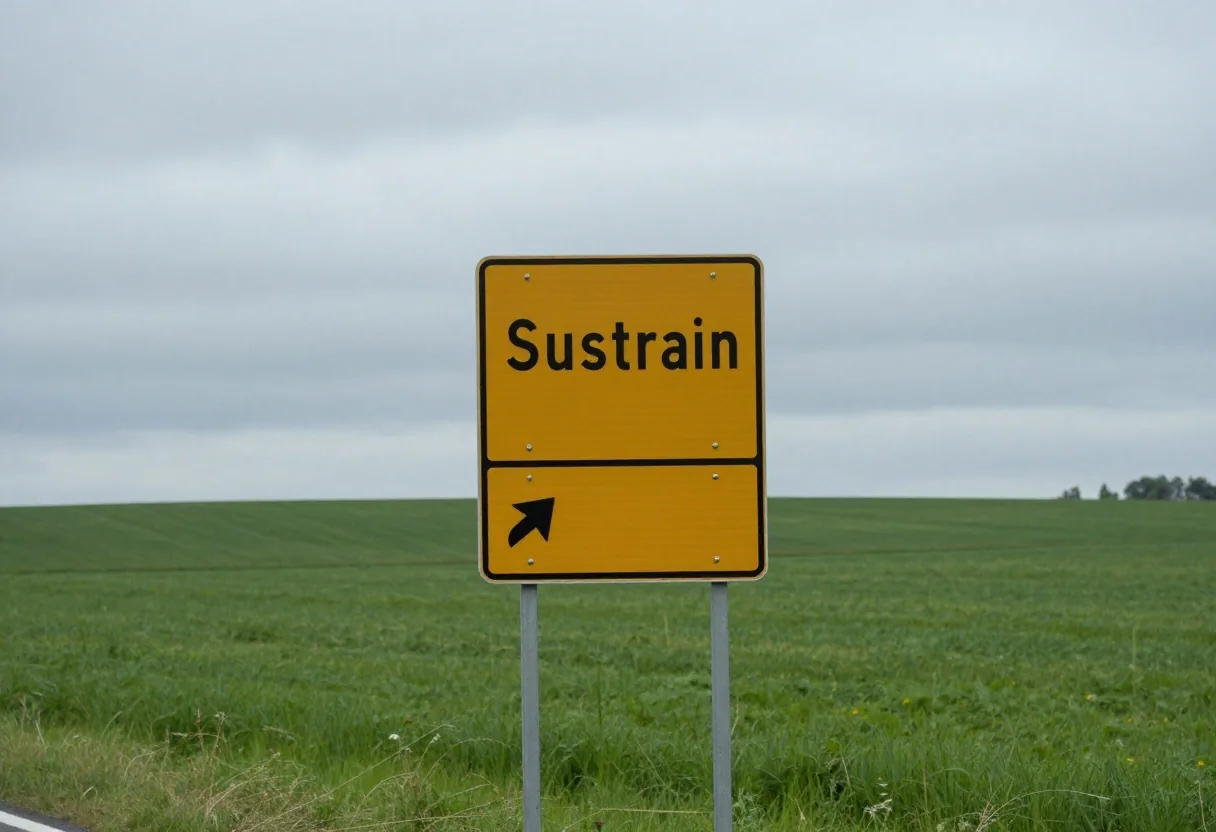
Signs change little; conditions change daily
How the site is maintained
The road network's shape changes slowly, so the core pages need only occasional revision, while references to time-sensitive rules are kept general on purpose.
Maintenance focuses on clarity, correcting anything that has drifted, and adding pages for decisions drivers keep asking about. The contact page is the main channel for that feedback. A correction from a driver who has just used a route is often the most useful input the site receives. Maintenance is treated as an ongoing responsibility, not a one-off launch task.
The team is based at Mariahilfer Straße 88, 1070 Wien, and reads what arrives on weekdays between 9:00 AM and 6:00 PM. Short, specific notes with road, direction and date help most.
What we do not do
A modest job, done carefully, beats a broad promise kept loosely.

Using the site
Start with the page that matches your decision. Each page stands alone, but they are written to work together. If you are unsure where to start, the home page lays out the options.
Getting in touch
Questions, corrections and partnership enquiries all go through the contact page. If you are reporting a route issue, tell us the road and the situation. If you are asking about a specific journey, describe start, destination and timing. The team reads what arrives — a site about roads is only as good as its willingness to be corrected by the people driving them.
Mariahilfer Straße 88, 1070 Wien · info@vigernette.com · +43 1 532 4478