
Mountain routes
Alpine passes and seasonal roads in Austria
Austria's mountain roads offer some of the finest driving in Europe, and they also demand the most preparation. A route that looks short on the map can be the wrong choice in April. Here is how closures work and how to plan a crossing that stays open.
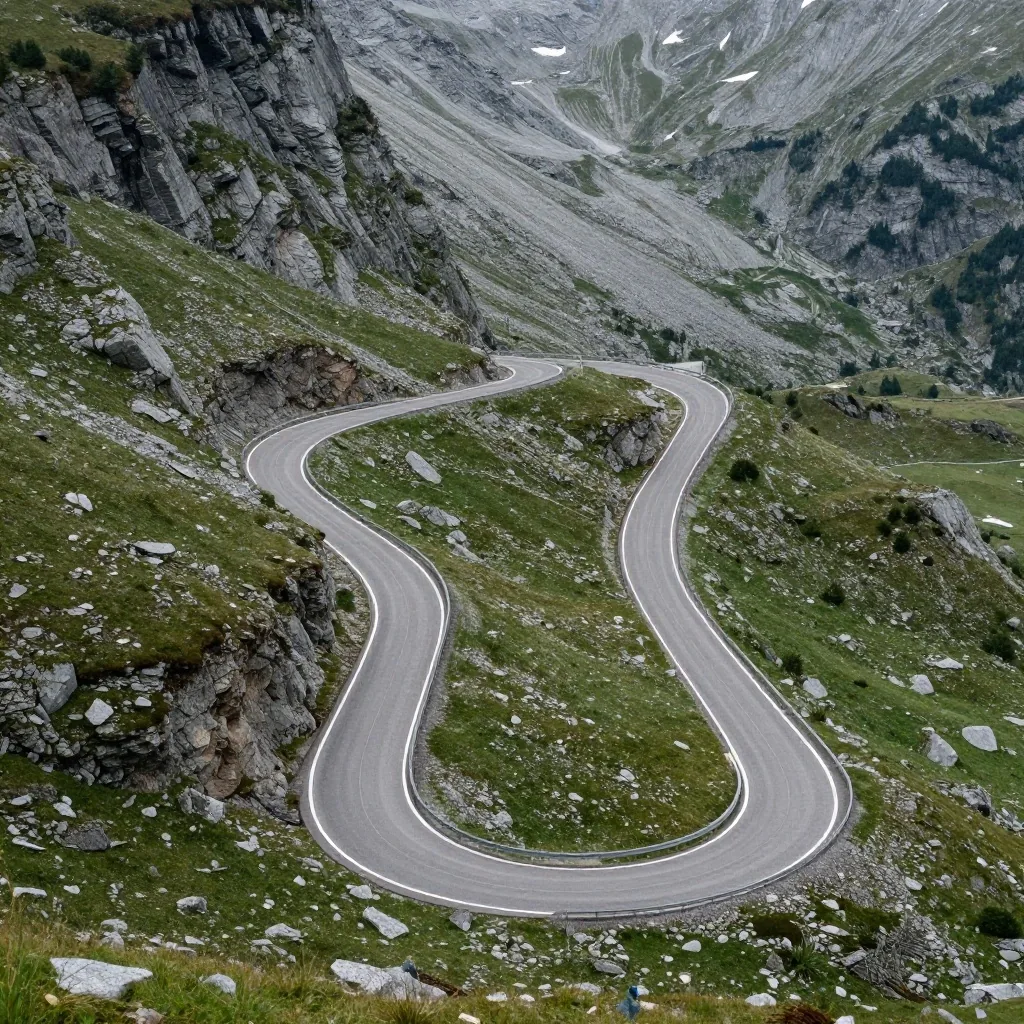
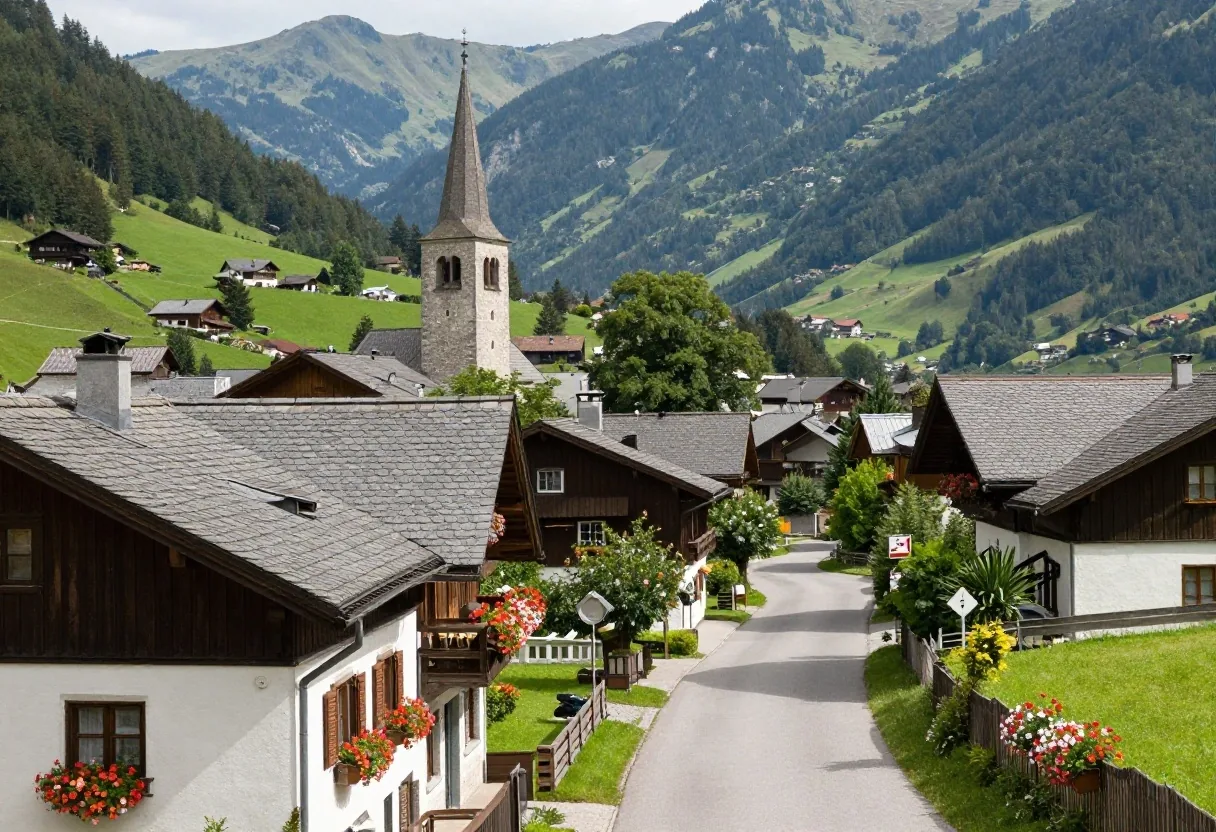
Plate — high pass in summer
North light / still
The same road can be open in August and closed in April. This guide helps you read that difference before you drive.
Why mountain roads close at all
Alpine passes close because snow, ice and avalanche risk make them unsafe or impassable, and clearing them takes time and machinery once the season turns. Closures are not arbitrary; they follow the conditions on the ground.
That is why reopening dates vary from year to year rather than falling on a fixed day. A cold spring can hold a high pass shut weeks longer than the year before, while a mild autumn can keep a lower road passable well into November. The mountain decides, not the calendar.
For planning, the lesson is simple: never assume a pass is open because it was open last year at the same time. Check the current status before you commit to a mountain route, and keep a valley alternative in mind. If you drive for the pleasure of the pass, treat the closure check as part of the trip, not as an afterthought at the foot of the climb.
Carry two routes on paper or on your navigation: the pass you hope to drive and the valley road you will use if the pass is closed. Deciding the switch point early keeps the day calm.
Closure reason
Snow, ice and slide risk on exposed sections
Dates
Shift each year with weather and altitude
Planning rule
Check close to travel, keep a low-level option
Seasonal pattern
The pattern of a seasonal closure
Most high passes follow the same rhythm through the year. Once you know the rhythm, shoulder-season trips become much easier to judge.
Late autumn
First snow closes the highest roads
High exposure
Use valley roads
Winter
High passes rest under snow and stay shut
Full closure
Motorway valleys only
Spring
Clearing begins, lower passes open first
Staged opening
Check each pass daily
Summer
The reliable window for mountain driving
Open, weather-led
Best for pass trips
A few roads close only in severe conditions and stay open most of the year. For a shoulder-season trip, the safe assumption is that any high pass may still be closed, and that a low-level alternative exists. Plan the alternative first, then enjoy the pass if it is open.
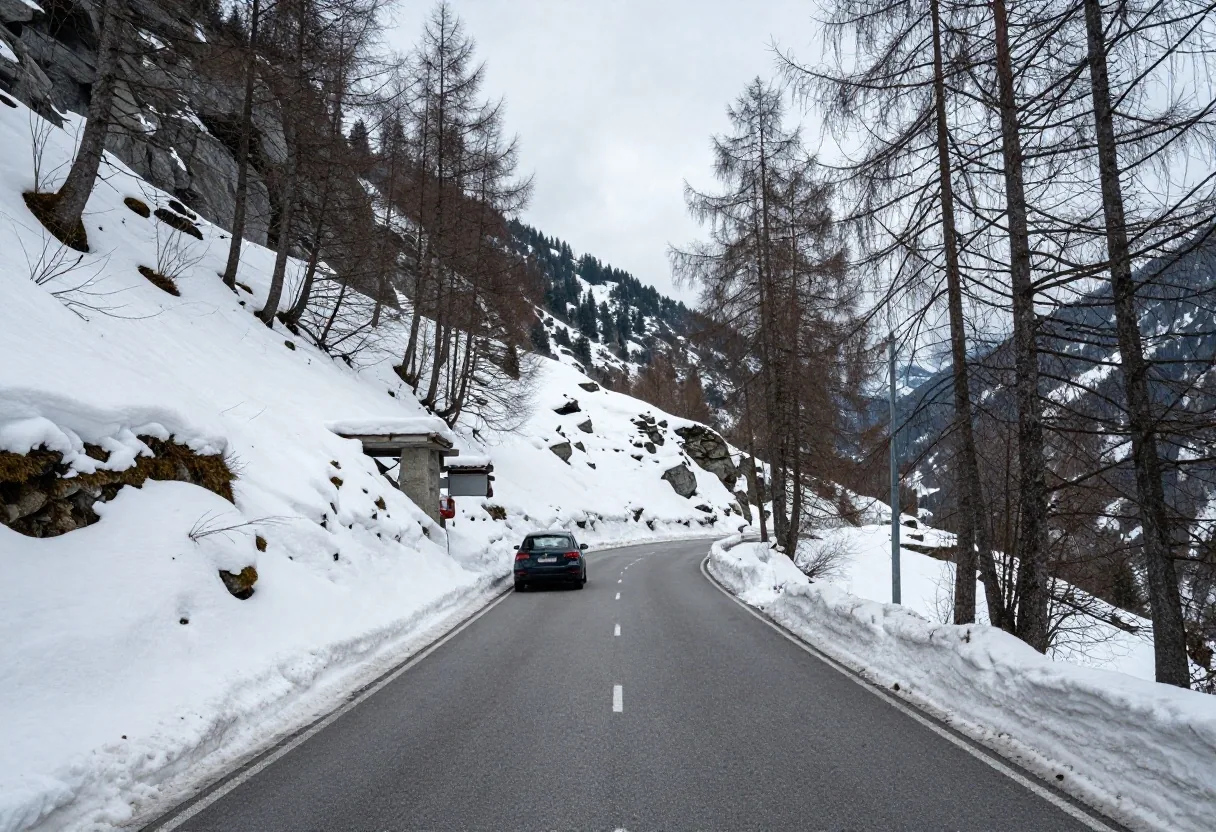
Shoulder season
A short map distance is not a short drive in April
Snow walls can stand beside a closed barrier weeks after the valley feels like spring. Altitude and exposure decide the date, so two passes a few kilometres apart can open a month apart. If your route crosses more than one high point, confirm every one of them.
What to check before a mountain drive
Check the current status of every pass on your route close to travel time, not days in advance. Conditions move quickly in the mountains.
Pass status today. Confirm each pass is open, and whether night closures or works apply.
Toll and restrictions. Note separate mountain tolls and any limits on trailers or wide vehicles.
Weather on the route. Look at the top of the pass, not only your start town. A pass can be open and still slow in fog or wind.
Turn-back point. Mark the last sensible junction where you can still choose the valley road.
If any of those checks is unclear, take the valley route instead. A mountain drive rewards the prepared and punishes the rushed.
Check the pre-journey checklist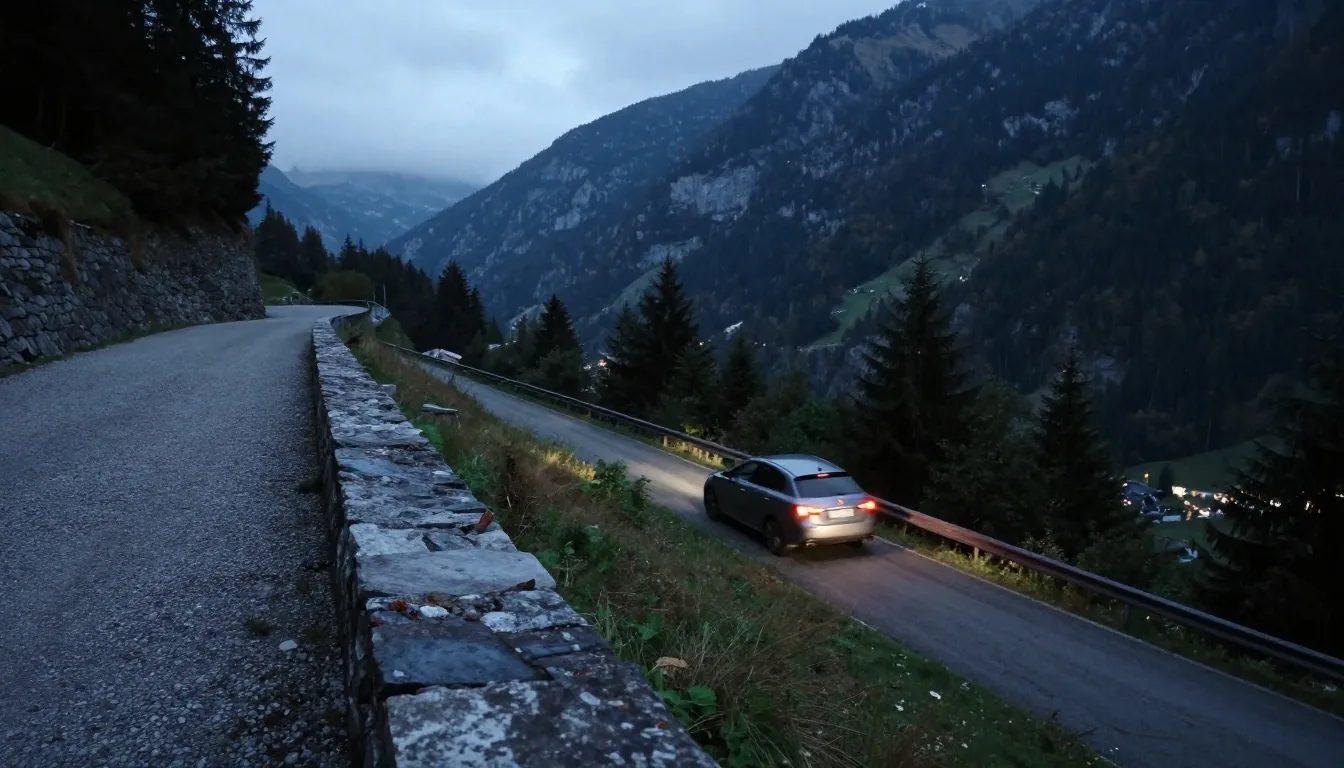
Driving technique on steep gradients
Mountain driving is different from driving on the flat, and a few habits make it safer. Use a lower gear on long descents so the engine helps control speed and the brakes do not overheat. Keep well back on climbs, because the car ahead may slow more than you expect on a gradient.
On narrow sections, be ready to give way and to use passing places deliberately. None of this is exotic, but it matters more on a pass than on a motorway. Plan the drive as a mountain drive, not as a fast road with a view.
Tolls on mountain roads
Some alpine roads carry a toll separate from the general motorway vignette, set by the operators. This page does not list amounts, because they change.
What matters for planning is to treat a mountain toll as a distinct cost and to confirm the current position officially before you go. Some tolls are paid at a barrier, some are collected in another way. If you are budgeting a route that uses a pass, add the toll as a known item rather than discovering it at the entrance.
Check vignette and toll contextVehicle restrictions and what they mean for cars
Some alpine roads restrict certain vehicles because of width, weight or the character of the road. Cars are usually fine on the main passes, but a few routes have rules that can affect larger cars or cars towing trailers.
If you are driving with a trailer or a larger vehicle, check the specific road's rules rather than assuming a pass is open to you. The restrictions exist for safety on narrow, steep or exposed sections. Confirm them for every road you plan to use, especially if your vehicle is not a standard car.
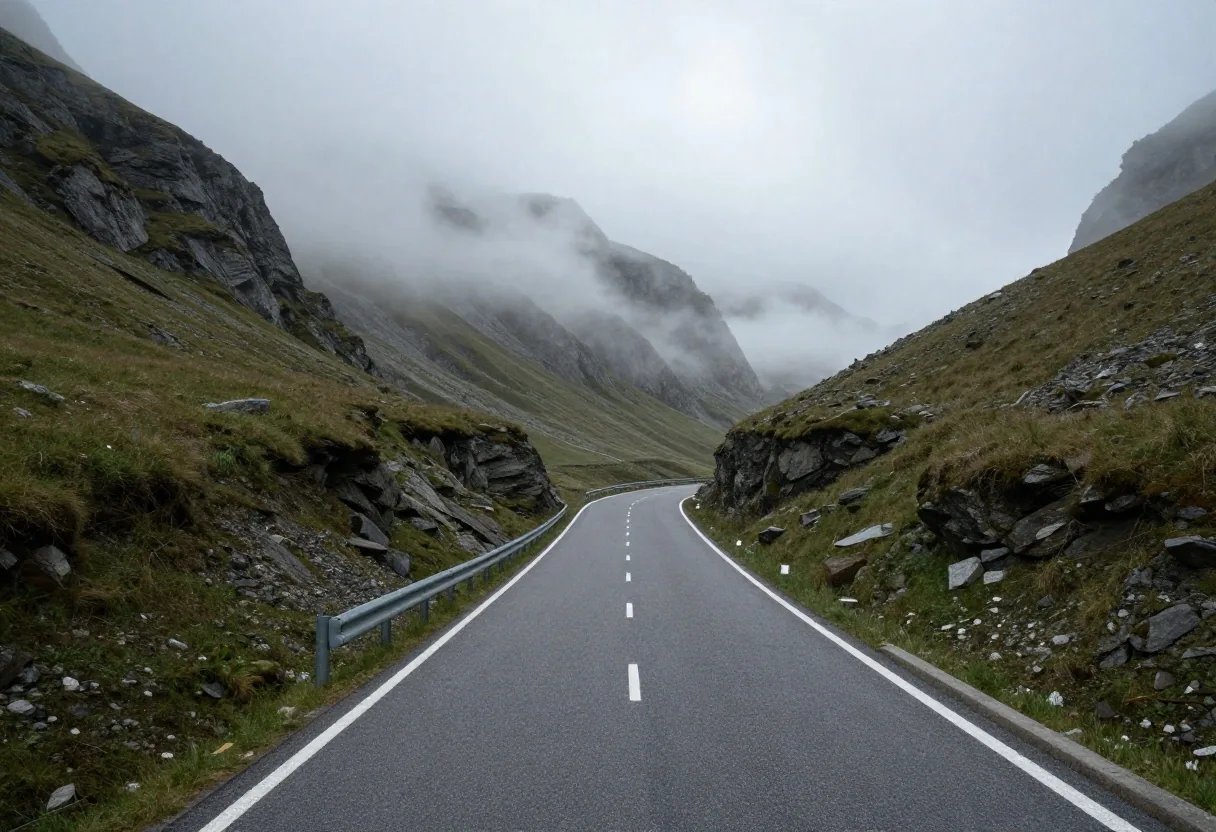
Weather that changes the plan
Weather in the Alps can turn a straightforward pass into a poor decision within an hour. Conditions at the top can differ sharply from the valley.
Rain, fog, snow and strong wind all affect mountain roads more than lowland ones. If the weather is marginal, the safe choice is the lower route, even if it is longer. Do not treat a pass as a challenge to be beaten. Treat it as a road that is either suitable today or not.
Planning a valley alternative
The key to a confident alpine plan is a valley alternative that stays open when the pass does not. For many crossings, the motorway or a low-level road runs through a valley and provides that alternative, often at the cost of a longer distance but a more reliable time.
Identify the alternative before you set out, note where the two routes diverge, and decide the point at which you would switch. That way, a closure is a small adjustment rather than a replanning crisis. The best mountain drive is the one with a good plan B.
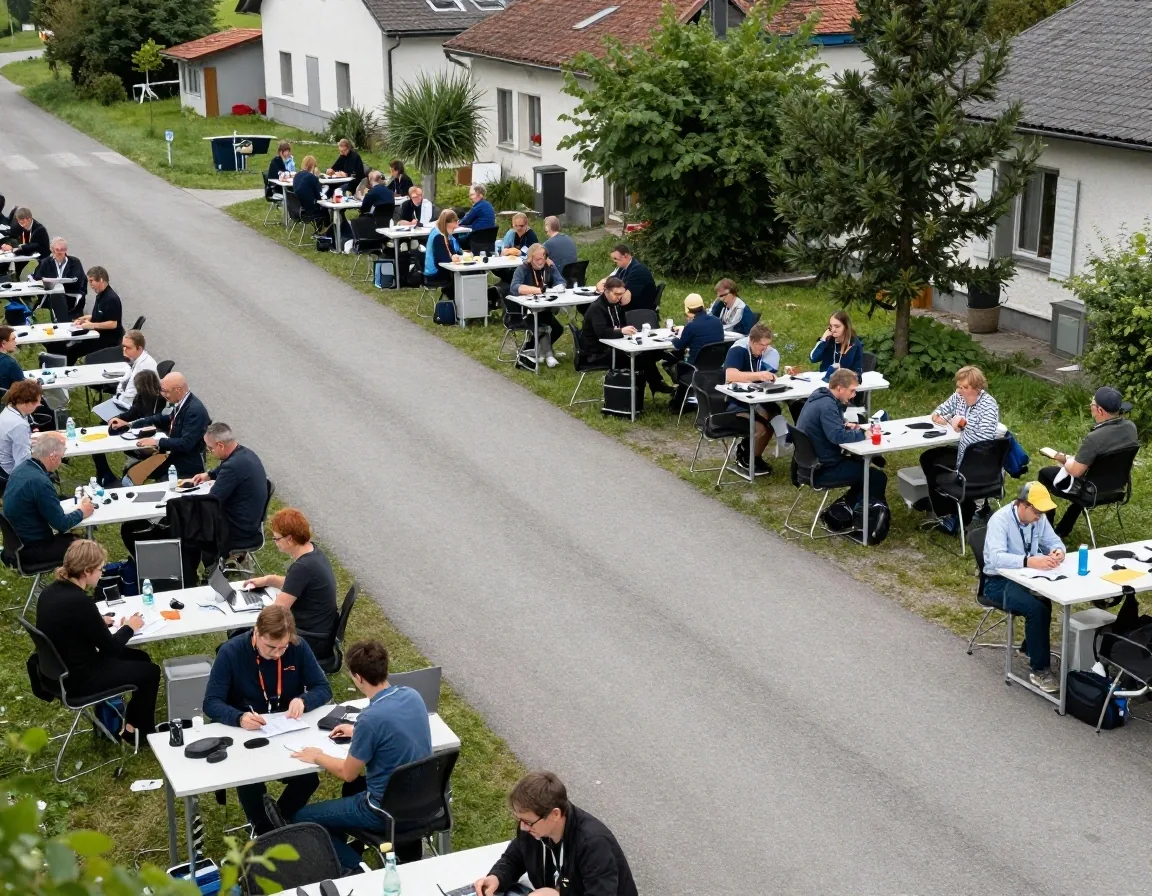
Marked divergence — where the pass and valley routes part
Timing
When mountain roads are at their best
For most drivers, the alpine passes are at their best in summer, when the roads are open, the snow is gone from the road surface, and the days are long enough to drive without pressure.
Late spring and early autumn can be excellent too, with fewer cars, though the risk of a late or early closure is higher. Winter driving on open mountain roads is possible in some cases but demands winter equipment and real care, and many passes are simply closed. If a pass is the point of your trip, aim for the reliable window and keep the plan flexible around it.
Folding mountain roads into a longer trip
A mountain pass rarely stands alone; it is usually part of a longer journey. Give it more time than the distance suggests.
Plan stops where they exist, and make sure the rest of the route does not assume a fast connection on either side. If you are crossing from one region to another over a pass, the valley alternative may actually fit your overall trip better. The route comparison page helps you weigh a scenic mountain section against a faster motorway option. Choose the mountain deliberately, not by accident.
Common questions on mountain roads
Short answers for drivers planning alpine passes and seasonal roads in Austria. For route-specific help, write to us.
Ask us about a mountain routeWhen do Austrian alpine passes usually reopen?
There is no fixed date. High passes typically reopen in late spring once clearing and safety work is finished, with higher and shaded roads opening later. Check the current status near your travel date and keep a valley road ready.
Can I rely on navigation alone for a mountain route?
Navigation is useful for map guidance, but it may not know about a fresh closure, a night restriction or a toll barrier. Confirm pass status and restrictions from an official source before you commit to the climb, and save the valley alternative in your route.
Do I need anything extra besides the motorway vignette?
Some mountain roads charge their own toll in addition to the general requirement. Treat it as a separate item in your budget and confirm how it is paid before you go. Our vignette and toll context page explains how the two sit together.
What if I am towing a trailer?
Check the rules for each pass individually. Width and combination limits can exclude trailers on narrow or exposed sections even when standard cars pass freely. When in doubt, choose the wider valley road.
Is it worth driving a pass in bad weather?
Rarely. Fog, heavy rain, wind and fresh snow change stopping distances and visibility on gradients. If the forecast for the summit looks poor, take the lower route and keep the pass for a clear day.
Cross the Alps with a plan, not a guess
Vigernette is an independent English-language guide to Austrian roads. Review the preparation checklist, compare the mountain road with the valley motorway, then set out with both routes saved.
Vigernette, Mariahilfer Straße 88, 1070 Wien — Monday to Friday, 9:00 AM – 6:00 PM. For personal route help, write to info@vigernette.com or call +43 1 532 4478.