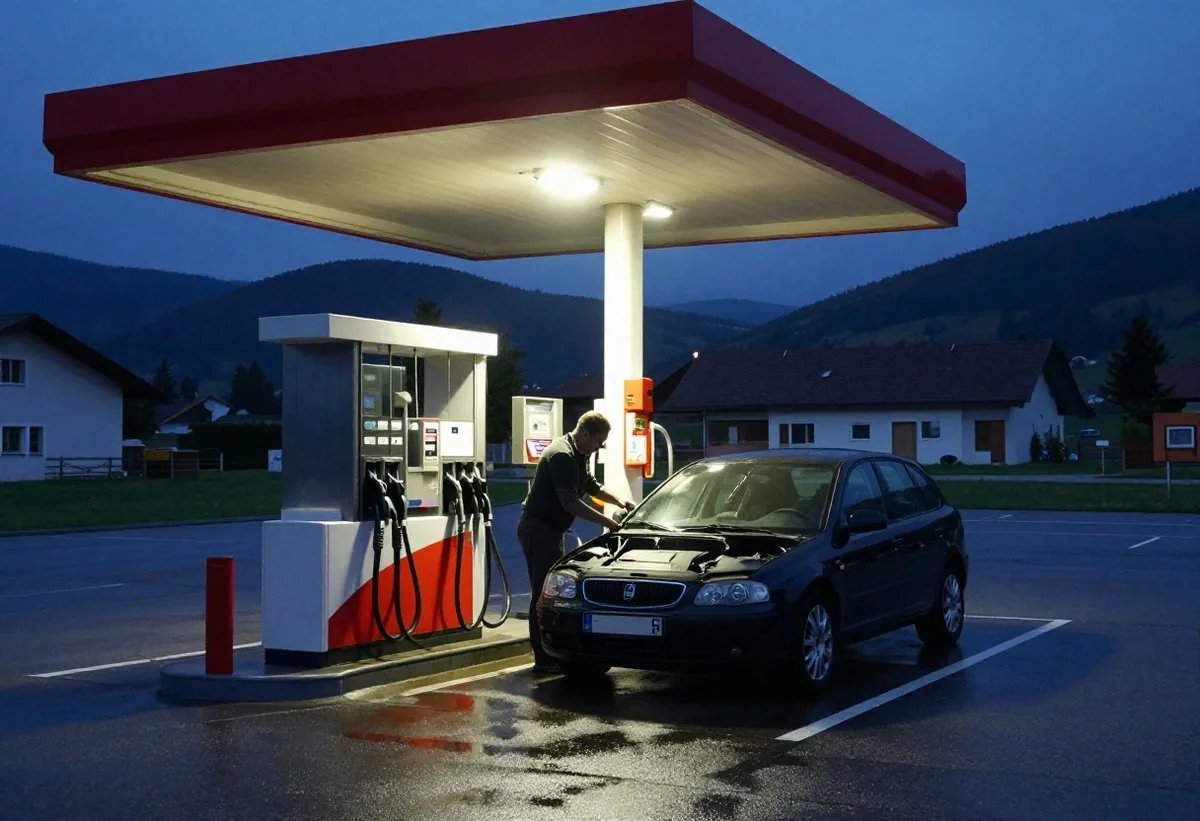
Driving checklist and preparation
A pre-drive checklist for Austria
Most problems on an Austrian car journey are boring and preventable: a missing document, a piece of equipment you assumed was in the boot, a route that relied on a road being open. Run this list the evening before a long drive and most surprises disappear.
Written for cars on Austrian roads, from valley motorways to mountain sections. Where rules can change, we flag what to confirm rather than asking you to trust a static list.

Plate — route sign, frontal
Overcast light
How to use this checklist for driving in Austria
Think of this as an evening routine, not a folder of paperwork. The order below follows a real car preparation in Austria: car first, then papers, then kit, then the map navigation itself. Each part takes a few minutes. Together they cover the reasons drivers get stopped, delayed, or rerouted on Austrian corridors.
Car preparation for Austria is ordinary car care with two local accents: mountain sections that ask more of brakes and tyres, and seasonal rules that make tyre choice a legal question in winter. Map navigation needs the same care. A destination in an app is not a plan until you know the corridor, the junctions, the stops, and the toll position for every section.
Evening before
Vehicle, papers and kit in one pass
Ten minutes around the car, documents in one pouch
Morning of
Route, weather and departure time
Corridor, stops, toll position and forecast
Vehicle readiness
Start with the vehicle itself
Before a long drive, check the basics you would check before any trip: tyre condition and pressure, fluid levels, lights, and that nothing is visibly wrong. Do not leave it to the morning of departure.
On an Austrian journey that may include mountain sections, brakes matter more than usual, and tyres should suit the season. If you drive in winter or shoulder season, winter or all-season tyres are the relevant question and the rules can apply. A ten-minute inspection the night before catches the things that would otherwise become a roadside stop: a soft tyre, a dead bulb, low washer fluid before a dusty climb, a warning light you meant to ask about.
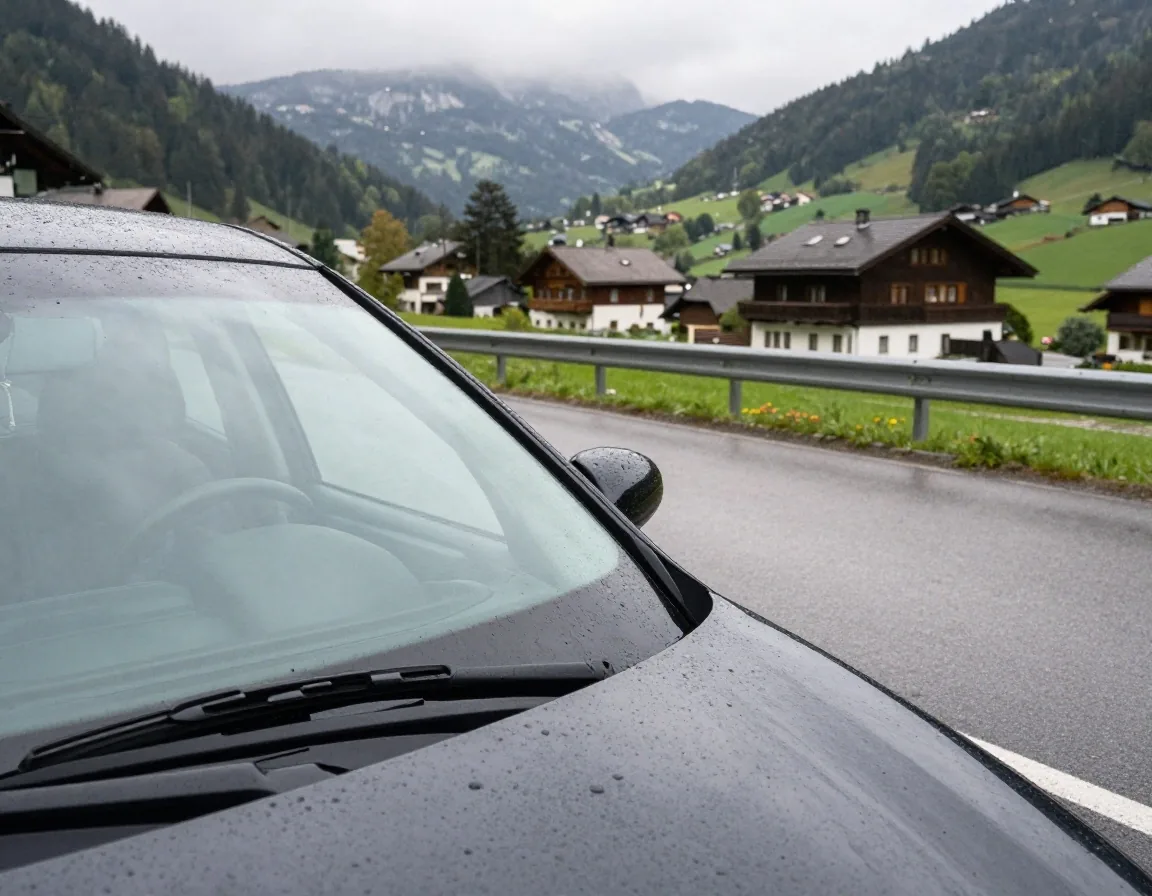
Walk the car once: tyres, lights, wipers, plates clean and readable, mirrors set.
Check pressures cold, including the spare or repair kit, and confirm the tread suits the season.
Test brakes gently on a quiet street and listen. Mountain descents punish tired brakes.
Documents you should have with you
For driving in Austria, have your driving licence, the vehicle registration or equivalent, and proof of insurance accessible, along with identification. Keep these together in one place in the car. A document you cannot find at a check is as good as a document you do not have.
Driver
Licence plus identification in one pouch
Within reach, not in the boot under luggage
Vehicle
Registration and proof of insurance
Paper or accepted digital form, checked before departure
Hired cars
Rental agreement and vignette confirmation
Confirm who provides the vignette; the driver stays responsible
Cross-border
Cover for each country you will enter
Carry any extra document the next country expects
If the vehicle is hired, carry the rental documents and confirm how insurance and the vignette are handled. For a cross-border trip, check that insurance covers every country on the route. Photograph nothing as a substitute; keep the real items together.
Equipment Austrian rules and common sense expect
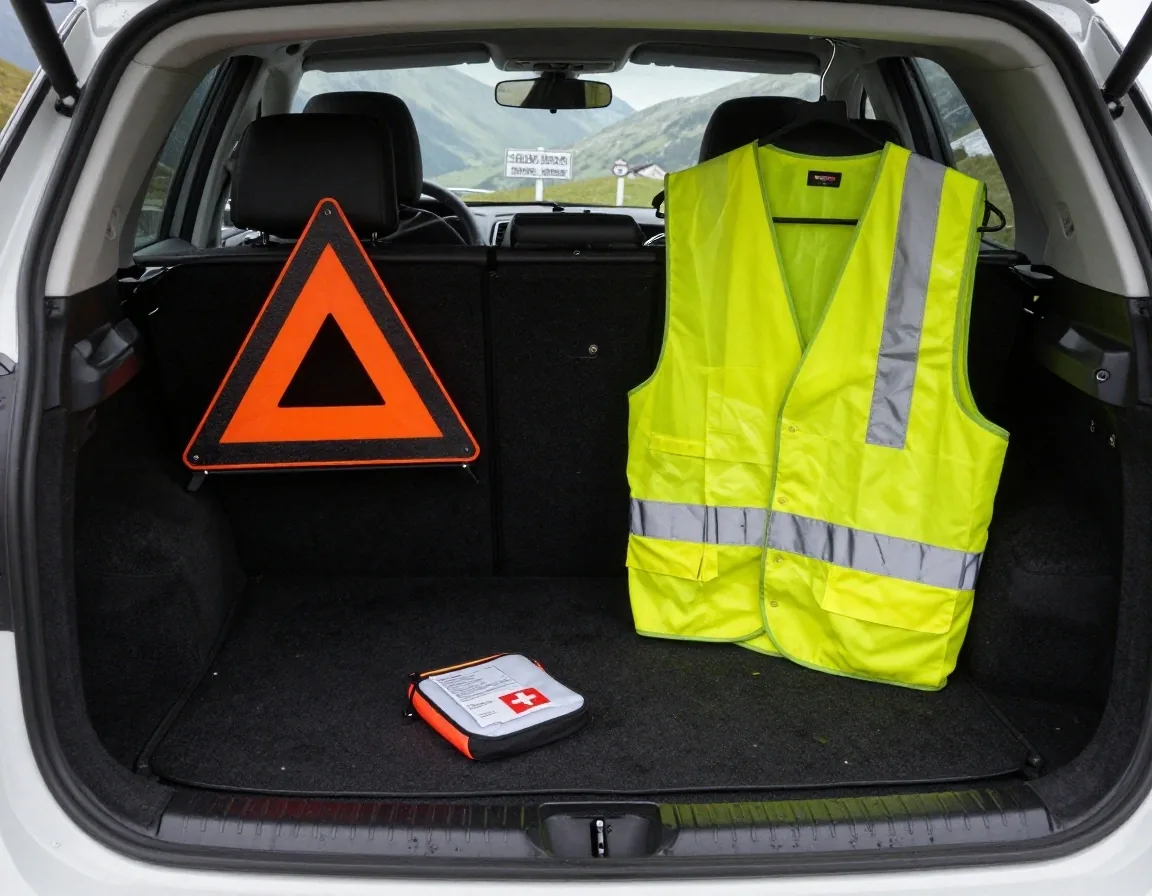
Austria expects certain equipment to be carried in a car, and the exact list is set by the rules and can change, so confirm the current requirements before your trip. Common items include a warning triangle and a reflective vest, and first-aid equipment is a sensible addition for any long drive.
If you cross into neighbouring countries, their lists may differ, so check each country you will enter. The point is not box-ticking; it is being able to handle a breakdown without improvising in the dark. Pack it before the trip: vest where the driver can reach it, triangle where it can be set out fast, torch charged, water and a warm layer if the route climbs.
Plan a cross-border route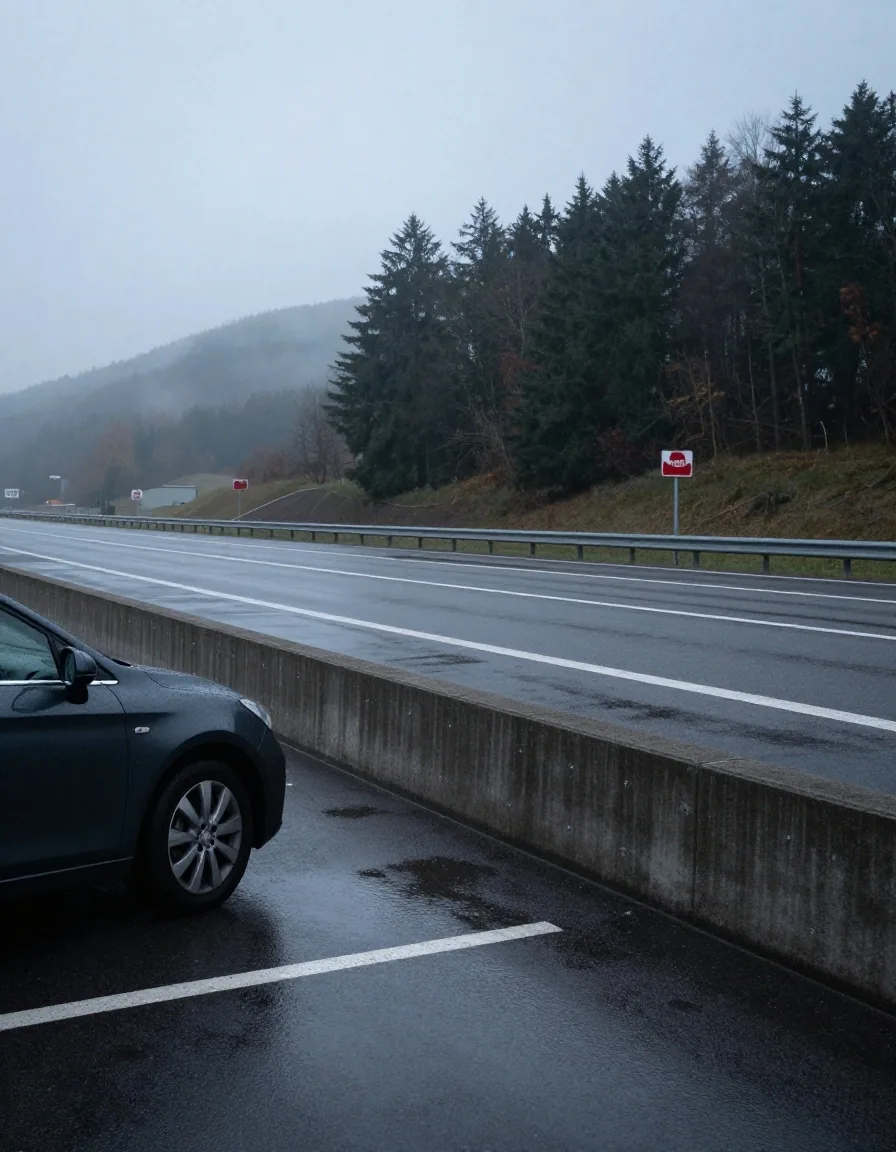
Plate — corridor fold with one marked junction
Preparing the route itself
A prepared route is more than a destination in an app. Note the corridor you will use, the key junctions, where you plan to stop, and any toll or vignette implications for the sections on your way.
Check the seasonal status of any mountain road, and note a valley alternative in case it is closed. Decide where you will park at the destination, especially if it is a city. Then set the navigation to match the plan rather than letting it choose for you. This is the part most often skipped, and the part that pays back the most — a road for car travel rewards drivers who arrive with a corridor in mind.
Write the corridor and two fallback junctions on paper; phones lose signal where you need them most.
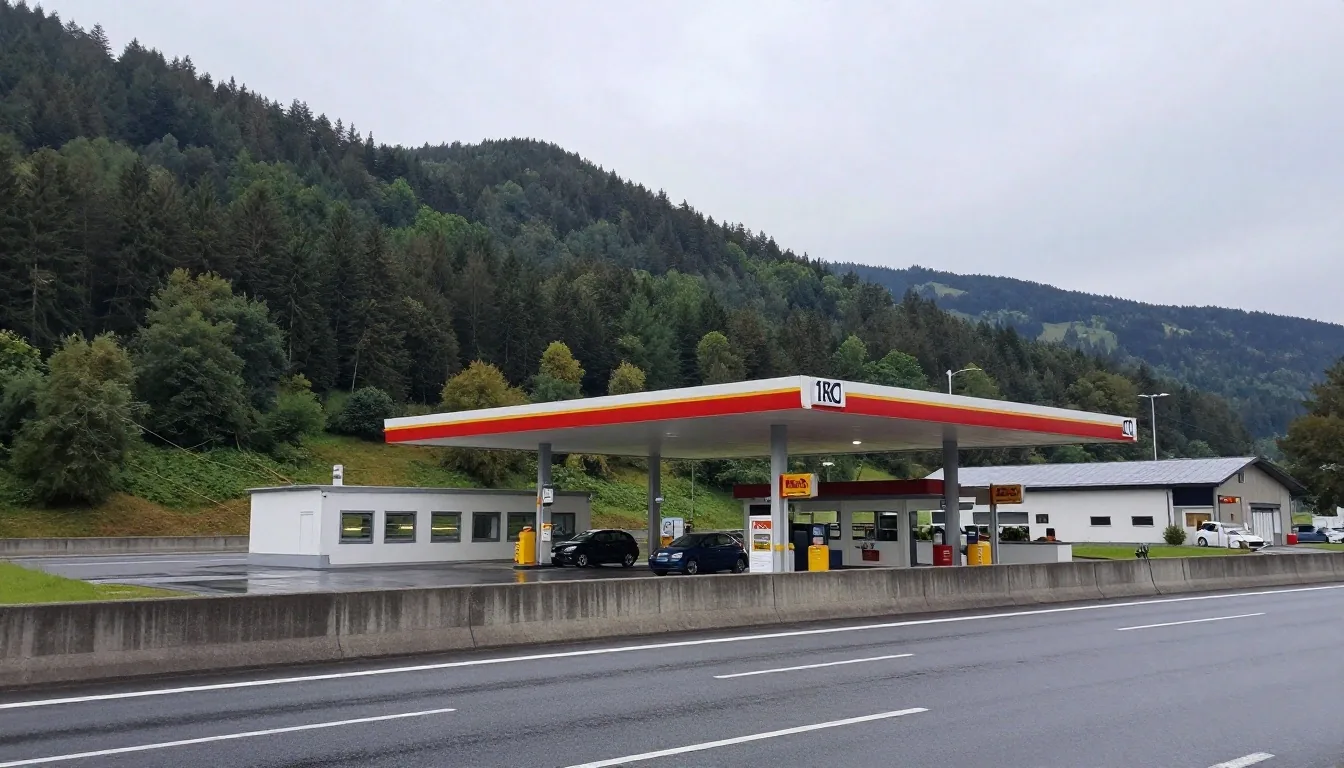
Pin fuel and rest stops that sit on the route, not ten minutes off it.
Save an offline map section for mountain stretches before you leave wifi.
Toll position
Checking the vignette and toll position
Confirm whether your route uses Austrian motorways or expressways, since those require a valid vignette, and mark any toll sections separately.
Prices and product details change, so confirm the current position officially rather than relying on memory or an old figure. For a cross-border trip, check each country separately, because systems differ. If you hire a car, confirm how the vignette is provided. This check takes a few minutes and prevents a common problem on the first motorway section.
Check vignette and toll context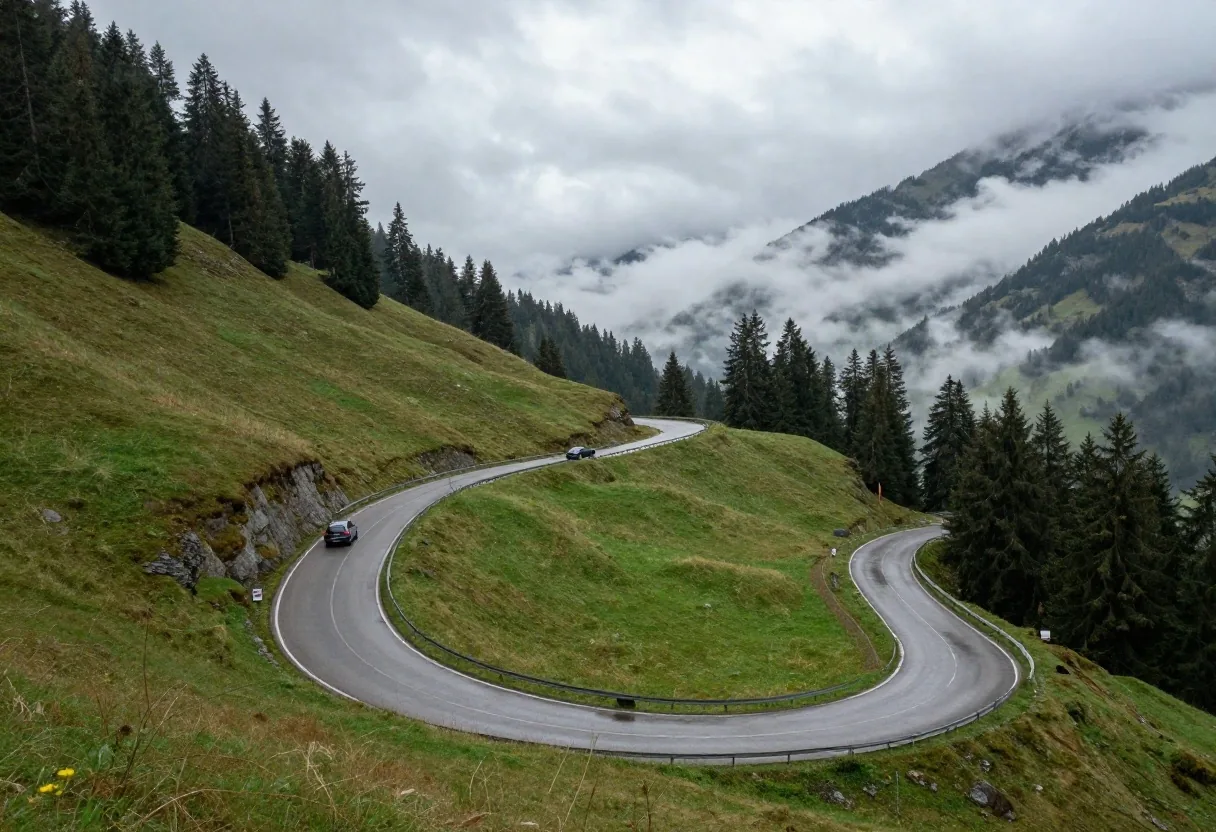
Weather and seasonal checks
Look at the forecast for the route, not just start and end points, because conditions in the Alps differ from the lowlands. In winter, check snow and ice warnings and confirm vehicle and tyres are suitable. In spring and autumn, check whether any pass has reopened or is about to close. In summer, allow for afternoon storms in mountain areas. The check is not about cancelling; it is about choosing the route and timing the conditions allow.
Timing and stops
Decide departure time with traffic in mind, since Austrian corridors carry commuter traffic near cities and holiday peaks in season.
Leave around the traffic, not through it
Early starts beat city rush hours and holiday waves. On mountain routes, plan stops before the climb, where they are scarcer.
Build in one proper break
Plan fuel, food and rest on the route itself. Fatigue is a bigger risk than any single road condition. A planned stop is rest; an unplanned one is delay.
Run the list tonight, drive calm tomorrow
Vehicle the night before, documents and kit in one place, corridor with a backup, toll position confirmed, weather for the route, stops decided. That is the whole evening routine.
A short list you can actually run
Turn the checklist into something you will genuinely use: vehicle check the night before, documents and equipment gathered in one place, route planned with a backup, vignette and toll position confirmed, weather checked for the route, and departure time and stops decided.
Night
Walk the car, check tyres, fluids and lights.
Pouch
Licence, registration, insurance and rental papers together.
Boot
Triangle, vest, first-aid kit, torch, water.
Map
Corridor, junctions, stops and valley backup noted.
Go
Toll position confirmed, forecast checked, departure set.
The value is in doing it consistently, not in complexity. Most trouble traces back to one skipped item. Run the list, and the drive is yours to enjoy.
Common questions
When should I run the driving checklist for Austria?
The evening before a long drive. That leaves time to fix a tyre, find a document, or replan a mountain section without rushing the departure.
What if I am driving a hired car?
Carry the rental agreement, confirm insurance cover for your route, and ask the provider how the vignette is handled before you reach the first motorway. Responsibility stays with the driver.
Do I need different kit for cross-border routes?
Often yes. Equipment lists differ by country, so check each country you will enter and pack to the strictest one. The same goes for toll systems — each country is separate.
How do I prepare navigation so it follows my plan?
Set waypoints for your chosen corridor, stops and parking, and review the suggested route before you move. Our route planner basics show how to pin a corridor instead of accepting the fastest guess.
Where can I get help with preparation?
Write to Vigernette at info@vigernette.com or visit us at Mariahilfer Straße 88, 1070 Wien, Monday to Friday, 9:00 AM to 6:00 PM. You can also reach us at +43 1 532 4478 or through the contact page.
Continue
Vigernette is an independent route-planning resource for Austrian roads. We explain corridors, toll context and preparation — official requirements should always be confirmed before you travel.