
Route comparison
Scenic or fastest: comparing Austrian routes
Most Austrian journeys have two versions: the fast motorway line and the slower road that shows you the country. This guide compares the two by time, distance and what the drive actually feels like, so you can choose deliberately for the day you have.
Neither option is always right. The motorway spends your time efficiently and leaves energy for the destination. The scenic road spends your time on the driving itself. What matters is what your day is for, and this page lays out that trade-off plainly so your schedule can decide.
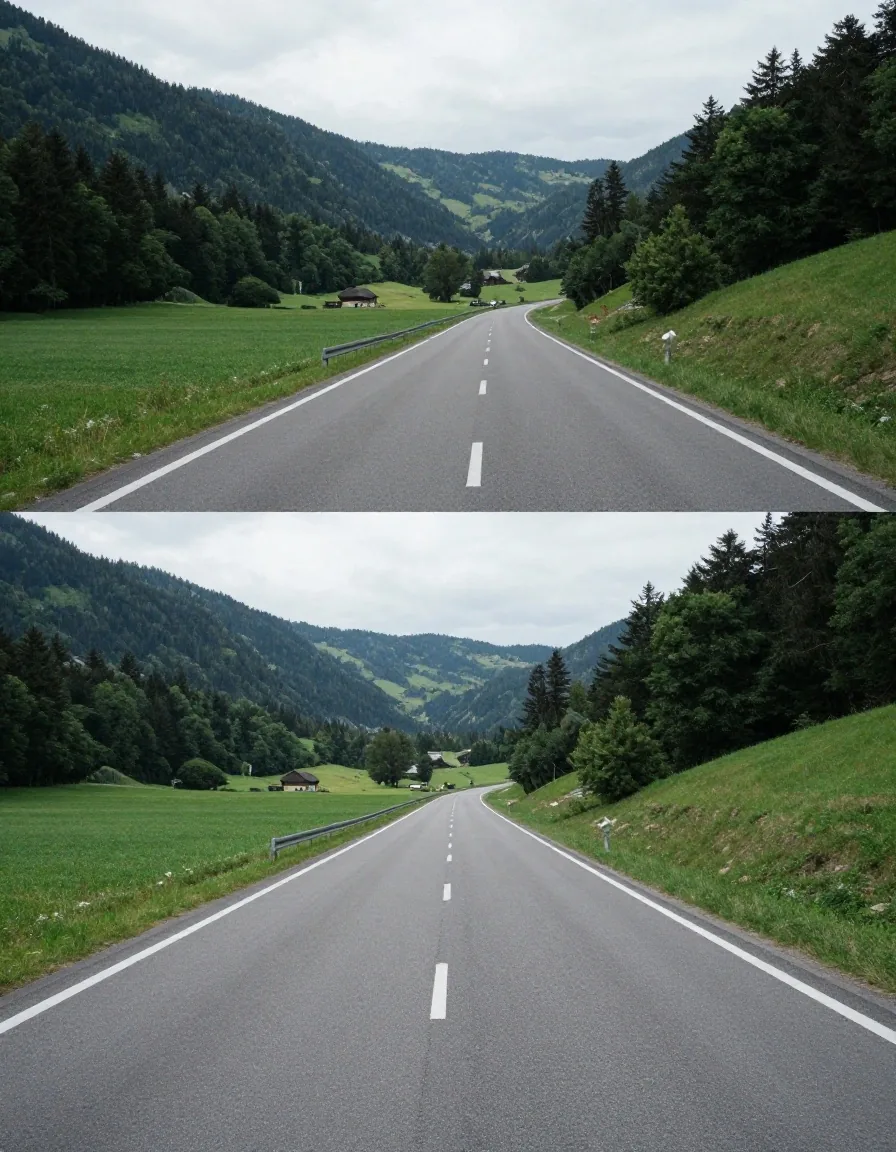
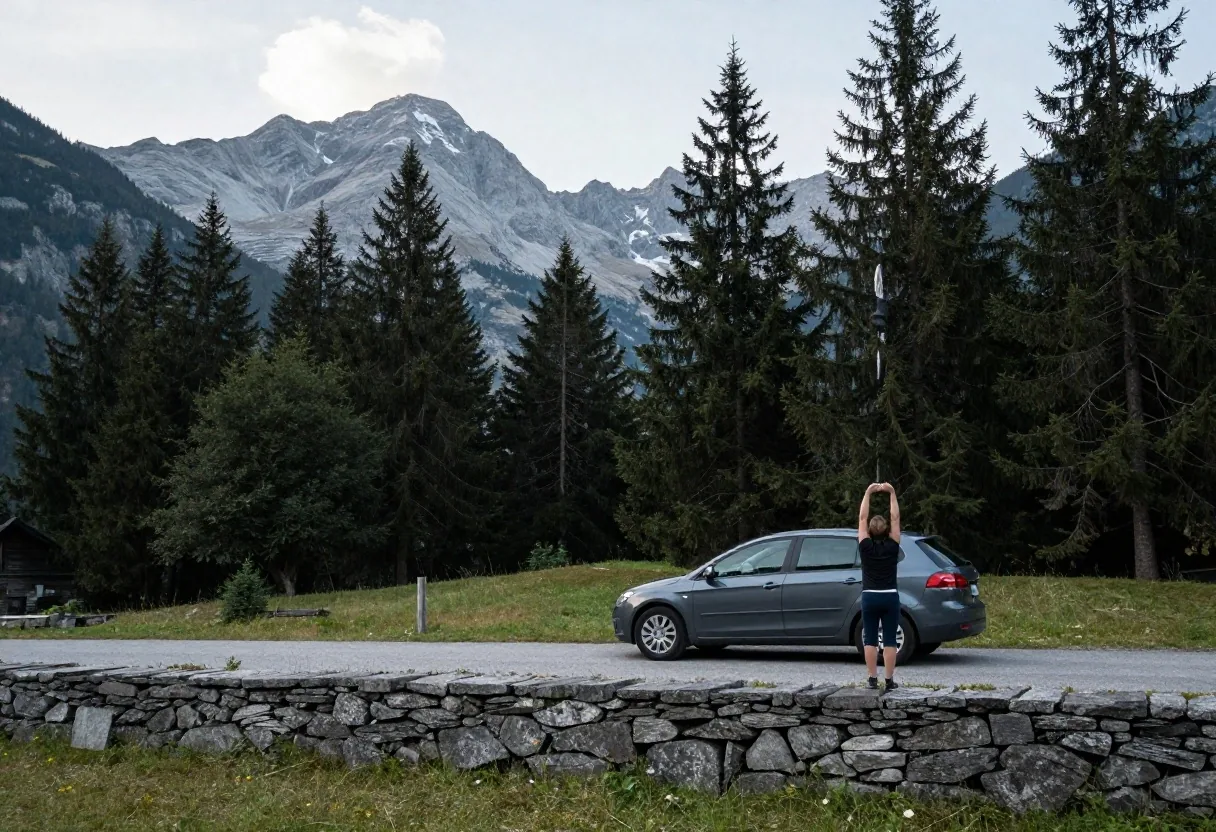
Plate — two lines, one valley
Motorway / country road
What the comparison is really about
The choice between scenic and fastest is rarely a choice between good and bad. It is a choice between two uses of your time. If the trip is the point, the scenic road wins. If the trip is something between you and the point, the motorway usually does.
A motorway crossing returns you with attention left for the destination: a meeting in Linz, a check-in in Innsbruck, a dinner in Graz. The scenic road returns you having seen more: a river bend, a village square, a view you stopped for. Knowing which of those your day needs decides the route more than any distance figure.
Many drivers mix the two without realising it. They take the fast line for the long middle and save the slower roads for the last hour, where the landscape is best and the schedule is looser. That combination is often the most satisfying answer on a map for car journeys across Austria, because it respects both the clock and the country.
The honest time gap
The difference between the two options is often larger than drivers expect. Scenic roads add towns, junctions, gradients and lower limits, so a route that looks marginally longer on the map can take substantially longer to drive.
Reading the map
Distance flatters the scenic road
A 20 km detour can mean 45 extra minutes through villages and speed zones.
Driving reality
Time tells the true cost
Compare door-to-door minutes, including stops, not the headline kilometre count.
Decision rule
If you have the time, the gap is a fair price
If you do not, the same road becomes stress rather than pleasure.
State the gap plainly before you leave. Write both times down, add a realistic stop, and decide with that number in front of you. The route planner basics page shows how to estimate honestly without trusting a single optimistic figure from map navigation.
How to estimate driving timeFast line
When the fastest route is the right one
Choosing the fast route is not a failure of imagination. It is a clear-eyed decision about what the day is for.
You have a deadline — a check-in, a meeting, a ferry or a night arrival to protect.
You drive at night, when scenery is invisible anyway and a steady motorway is calmer.
The weather is poor, the drive is long, or you are tired and want fewer decisions per kilometre.
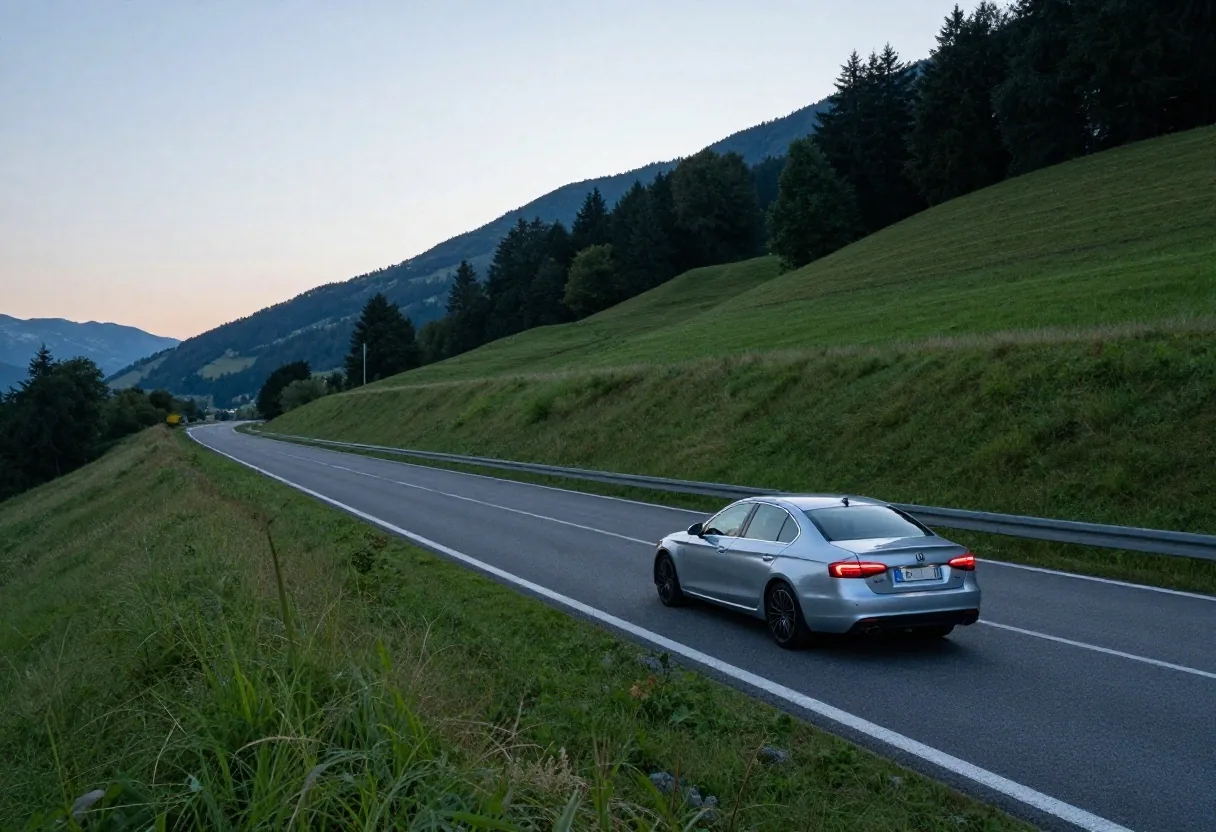
Motorway for the long middle
Many of the best Austrian trips use the motorway for the long middle and save scenic roads for the parts worth savouring. You arrive fresh, with daylight and energy left for the road you actually wanted to enjoy. See the motorway corridors to understand which fast line serves your direction.
See the motorway corridors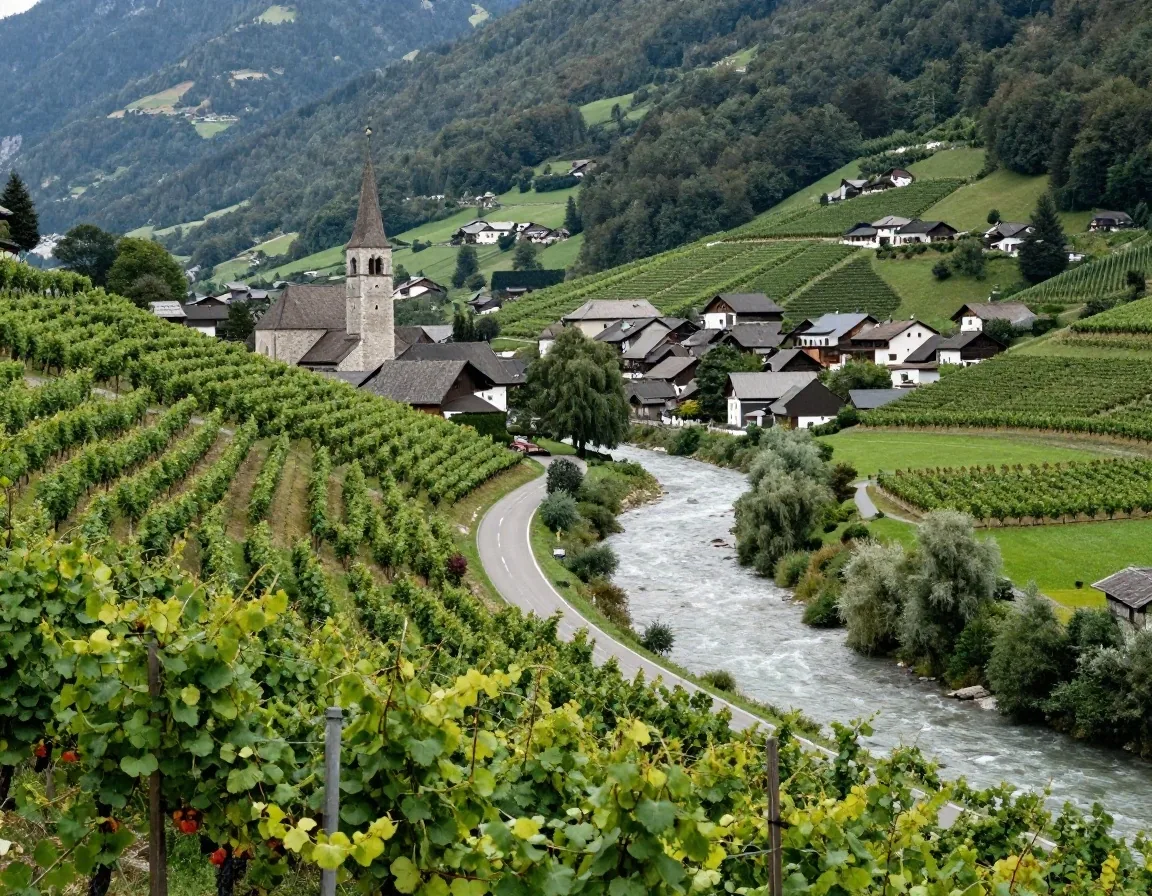
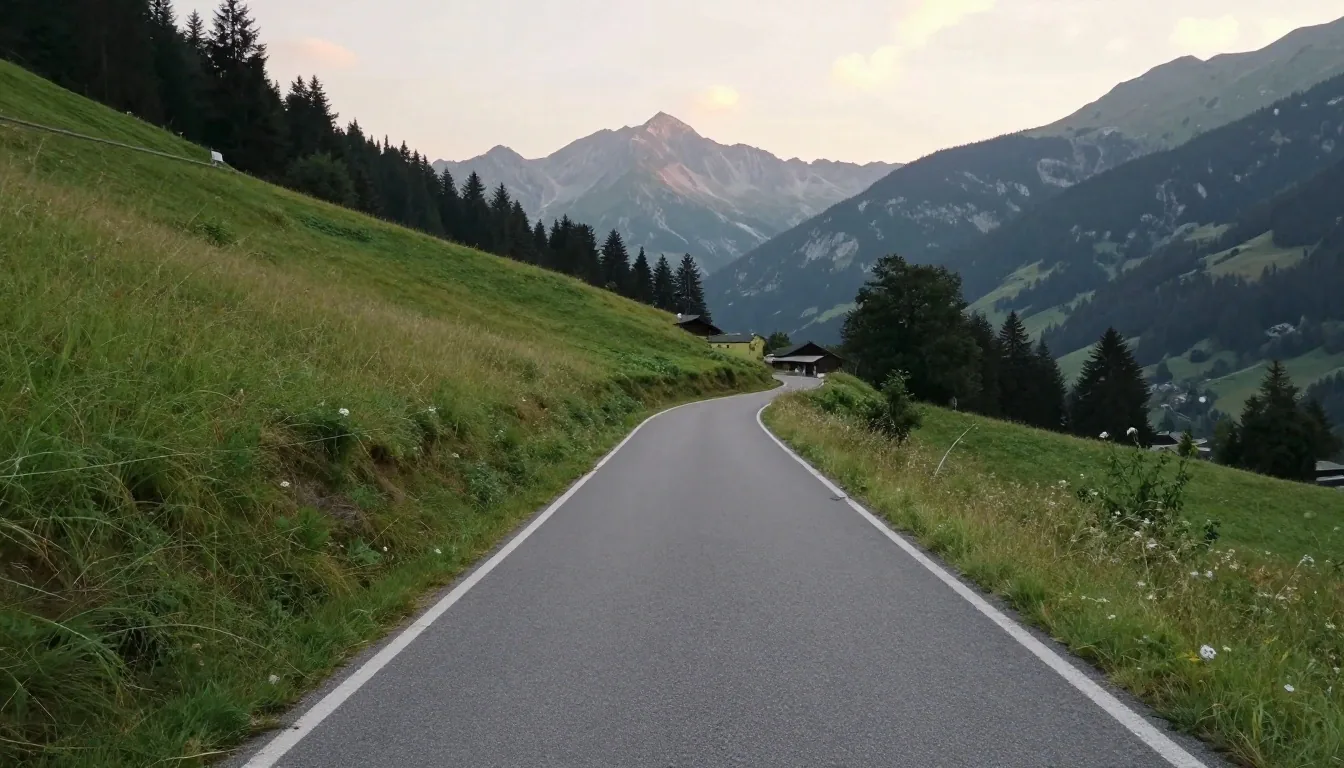
Object stage — valley road in daylight
When the scenic route earns its time
A scenic road earns its extra time when it is the destination, not the connection. A pass with a view, a valley road along a river, a stretch through a wine region — these repay a slower pace and a planned stop.
They are best in good weather and daylight, with time in hand. If any of those conditions is missing, the scenic route becomes a chore. Plan scenic sections deliberately, on days that suit them, rather than adding them to an already tight itinerary.
A scenic road chosen well is the best part of a trip. Chosen badly, it is just slow. Keep the fast line as your fallback, and let the forecast and the clock confirm the slower choice on the morning itself.
The fuel and cost angle
Motorway driving is generally more fuel-efficient at steady speeds, but it requires a vignette and may include toll sections. A scenic road may avoid those, yet towns and gradients can use more fuel.
Compare the whole picture: vignette, tolls, fuel and any parking you would not otherwise pay for. The difference is usually modest, so let it inform the choice rather than drive it. Time and enjoyment matter more for most drivers.
Read the vignette and toll contextDriving effort, not just driving time
A scenic road asks more of the driver: more turns, more decisions, more attention to gradients and narrow sections. That effort is part of the pleasure on a good day and part of the fatigue on a bad one.
If you share the driving, a scenic route splits naturally into stints. If you are alone on a long trip, the motorway's lower demand may keep you safer. A route that looks appealing on the map can be tiring to drive, and tired driving is a risk no scenery is worth.
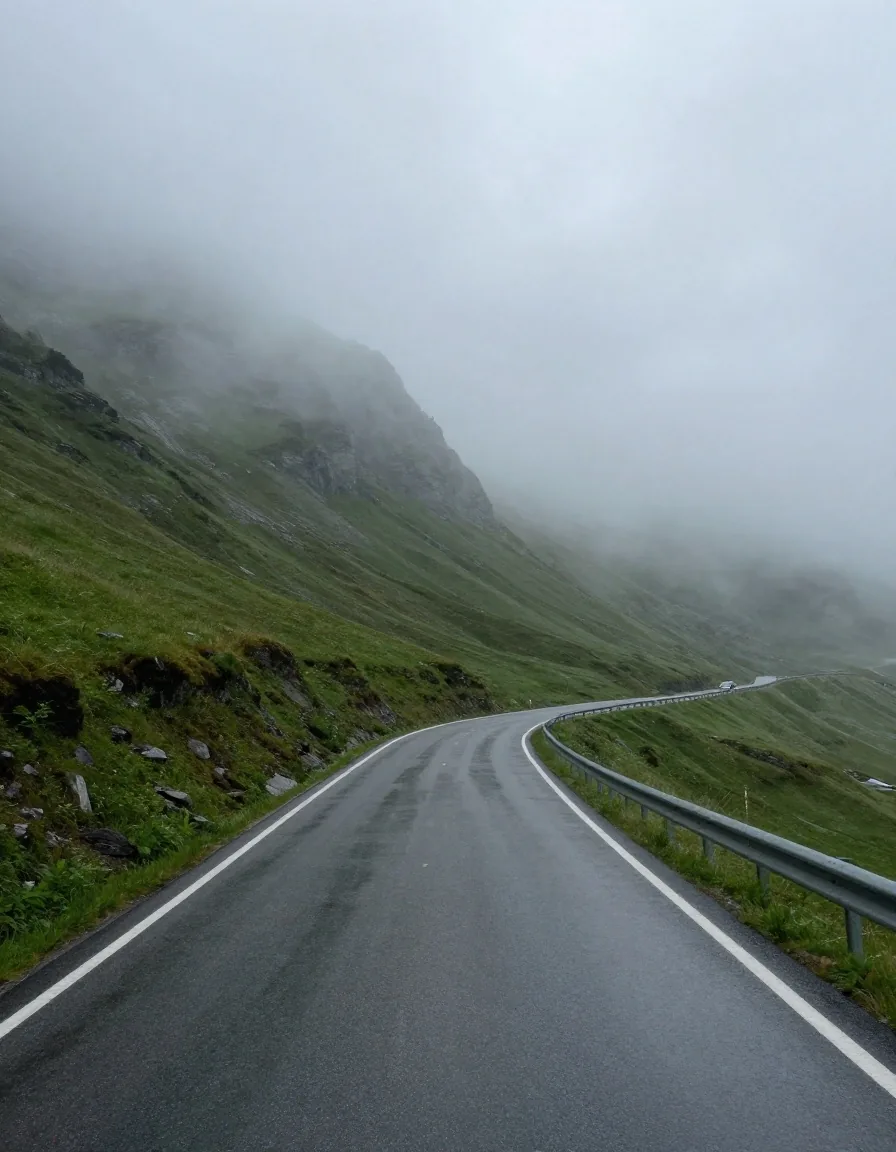
Pass in poor weather — take the fast line
Weather as the deciding variable
Weather often settles the comparison by itself. A scenic road with a view is pointless in fog, and a mountain pass in rain is both slow and unpleasant.
The motorway is more robust in poor conditions, which is exactly when you want the reliable option. Check the forecast for the scenic route itself, not just for start and end points, because mountain weather differs from the valley. If the forecast is marginal, take the fast line and save the scenic road for a better day.
Daylight
A scenic route needs light to be worth it, and Austrian daylight shifts a lot between summer and winter.
Season
In winter an early dusk turns a beautiful road dark and slow; in summer long evenings extend the scenic window.
Daylight and the season
The same road that is excellent in July may be a poor idea in November, when closures and conditions change. Match the choice to the season, not to a fixed preference. The alpine passes page covers mountain specifics for the months when passes open and close.
How to compare in practice
Take your two candidate routes and note the time, the distance, the toll and vignette implications, and the character of each. Then decide which fits the day.
Write both times side by side
Note motorway minutes and scenic minutes, then add stops, fuel breaks and any town delays. Decide from those totals, not from the distance line.
Check costs and paperwork once
Confirm vignette coverage, toll sections and likely parking. Keep this check short — cost usually informs rather than decides.
Match the road to the light
If you have time, daylight and fair weather, the scenic option rewards you. If not, the fast line is not a compromise — it is the correct answer.
If the drive is the point, take the slow road. If not, arrive fresh.
This rule cuts through most of the hand-wringing, because it asks the only question that matters: what is this day for? Austrian roads serve either answer well. The mistake is drifting into a slow route when you needed a fast one, or racing a road you should have enjoyed.
Continue with the guides behind this choice
Vigernette is an independent route-planning resource for drivers in Austria. These guides hold the detail this comparison builds on.